8 Easy Japanese Dishes to Cook at Home
These eight Japanese dishes need little more than rice, broth, noodles, and a few pantry staples, and they suit a weeknight kitchen.

Japanese home cooking often looks simple because it is simple: a bowl of rice, a clear soup, a quick pan sauce, or a warm dish built around one main ingredient. That restraint is part of the appeal.
The dishes below are some of the easiest to make at home, with short ingredient lists and direct methods. Each one gives you a different path into everyday Japanese cooking, from rice bowls to soothing soups.
A glazed rice bowl that cooks quickly
Chicken Teriyaki DonburiJapaneseOpen the recipe →Chicken teriyaki donburi is rice topped with chicken cooked in a sweet-salty soy sauce glaze. The flavor is familiar and balanced: savory, lightly sweet, and glossy rather than heavy. It works well because the sauce clings to the chicken and seeps into the rice below. It is a useful dish to learn when you want a full meal from a single pan and a bowl. The main thing to watch is the sauce, which should reduce enough to coat the chicken without burning. Keep the heat steady and turn the pieces so they glaze evenly.
Thin beef, onions, and rice
 Gyudon (Beef Bowl)JapaneseOpen the recipe →
Gyudon is a beef bowl built from sliced beef and onions simmered in a seasoned broth, then served over rice. It tastes gentle and savory, with the sweetness of onion and the clean depth of soy, mirin, and stock. It is worth cooking because it feels complete without requiring much work, and it is one of the most forgiving Japanese bowls for home cooks. Use very thin beef if you can, since it cooks fast and stays tender. Do not overreduce the broth; gyudon should be saucy enough to soak into the rice.
Pork with ginger-forward seasoning
 Buta no ShogayakiJapaneseOpen the recipe →
Buta no shogayaki is thin pork cooked quickly in a gingery soy sauce. The taste is clean, sharp, and savory, with ginger giving the dish its main lift. It is a strong choice for cooks who want something fast but not bland, since the sauce is simple and the pork browns in minutes. The dish usually benefits from thin slices of pork shoulder or loin, which pick up the seasoning well. The main point is not to crowd the pan, so the meat browns rather than steams, and the ginger stays bright instead of dull.
The standard miso soup
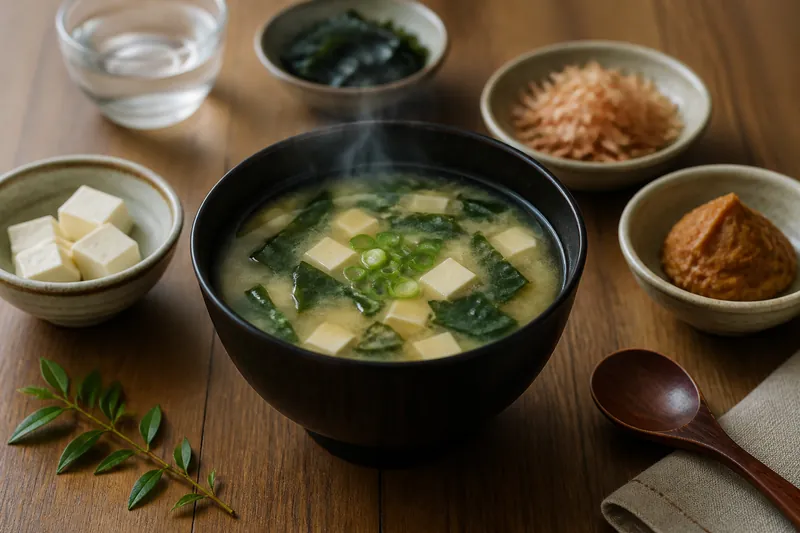 Miso ShiruJapaneseOpen the recipe →
Miso shiru is the everyday miso soup served with meals across Japan. It is light, salty, and softly savory, with miso paste giving depth and dashi providing the base. Tofu, seaweed, and scallions are common additions, though the soup is simple enough to vary with what you have. It is worth learning because it teaches the basic rhythm of Japanese seasoning: build a clean broth, then dissolve the miso gently at the end. The one thing to remember is not to boil miso hard, or the flavor can turn flat and harsh.
Rice with fermented soybeans
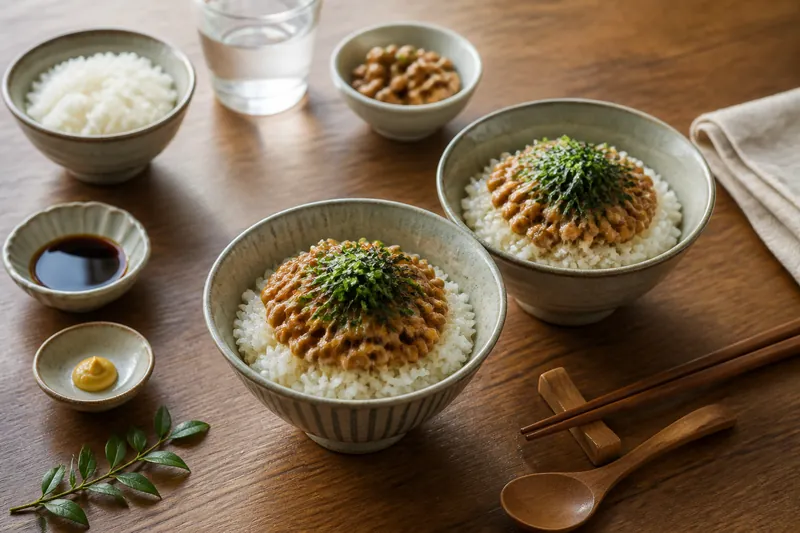 Natto GohanJapaneseOpen the recipe →
Natto gohan is a bowl of rice topped with natto, the sticky fermented soybeans that many Japanese households eat for breakfast or a quick meal. Its flavor is earthy, nutty, and sharply fermented, with a texture that is soft and stringy. People cook it because it is simple, filling, and very direct in taste. It usually comes with soy sauce, mustard, and sometimes egg or scallions, which help round it out. The main thing to know is that natto has a strong character; stir it well to build its signature texture, then season it to suit your taste.
Rice steeped in tea or broth
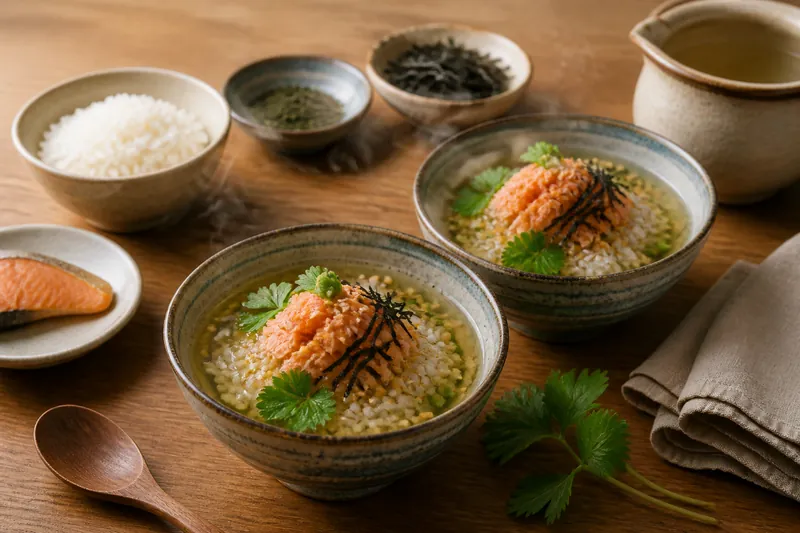 OchazukeJapaneseOpen the recipe →
Ochazuke is a comfort dish of rice topped with tea or broth and often finished with simple garnishes such as nori, salmon, or pickles. It tastes soothing and clean, with enough salt and aroma to wake up plain rice. It is worth cooking when you want something very light, especially late in the day or when using leftover rice. The dish depends on contrast between hot liquid and cold or crisp toppings, so keep the garnishes ready before pouring. Use rice that is warm but not freshly sticky, so it holds its shape as the liquid goes in.
Soft rice porridge for plain eating
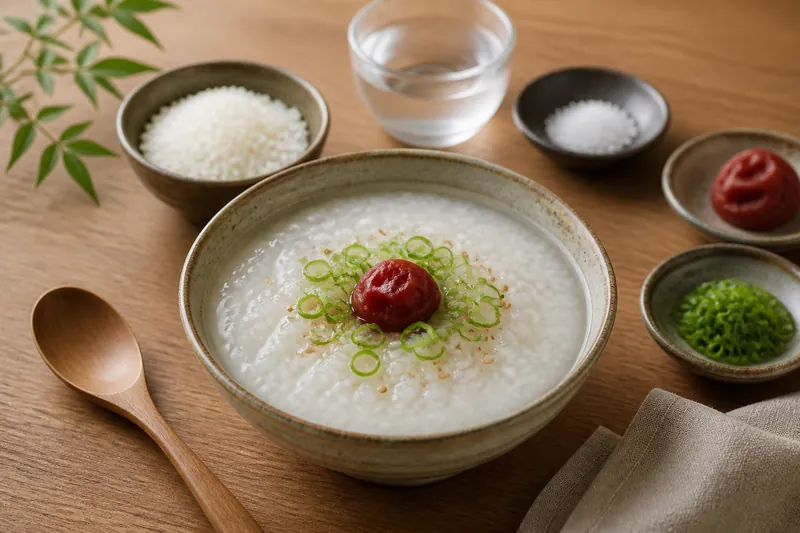 OkayuJapaneseOpen the recipe →
Okayu is Japanese rice porridge, cooked slowly until the grains break down into a soft, soothing bowl. The flavor is mild and gentle, making it useful when you want something easy to digest or when the pantry is bare. It is worth learning because it shows how far rice can go with only water, patience, and a little seasoning. It can be served plain or with pickles, fish, or a salted topping. The main thing to know is that okayu needs slow cooking and occasional stirring, or the rice may stick to the pot before it turns properly tender.
Rice balls for packing and snacking
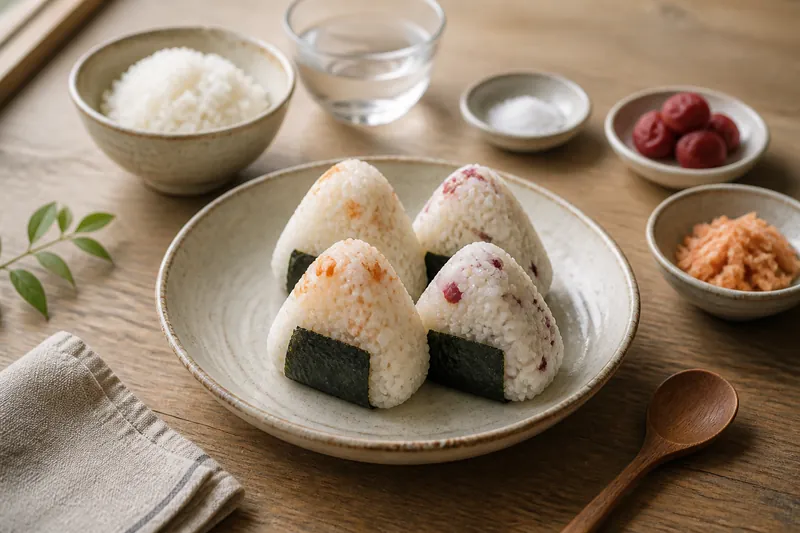 OnigiriJapaneseOpen the recipe →
Onigiri are rice balls shaped by hand, sometimes filled and often wrapped with nori. They taste simple and satisfying: seasoned rice, a little salt, and a filling if you want one. They are worth making because they are practical, portable, and a good use for rice that is still warm enough to shape. Common fillings include salmon, pickled plum, and tuna, but the basic method matters more than the filling. The main thing to know is to wet and salt your hands lightly before shaping, so the rice does not stick and the balls hold together without being crushed.
Taken together, these dishes show how Japanese home cooking relies on balance more than complexity. Rice bowls, soup, porridge, and simple seasonings can make a complete meal with little fuss. Once you have one or two of them in hand, the rest follow the same calm rhythm.