Eight Easy Italian Dishes to Cook at Home
From a tomato breadcrumb soup to a no-bake dessert, these eight Italian dishes ask for modest skill and give clear, familiar results.

The easiest Italian dishes are usually the ones built from a few good ingredients and simple timing. They rely on ripe tomatoes, basil, olive oil, bread, pasta, and gentle cooking, so the work stays in the preparation, not the technique.
These are the dishes that reward a home cook quickly. Some need only assembly, some need one pot, and a few ask for a little patience. All of them are useful to know, because they are plain, flexible, and satisfying without being fussy.
The cleanest salad on the table
Insalata CapreseItalianOpen the recipe →Insalata Caprese is sliced tomato, fresh mozzarella, basil, olive oil, and salt. It tastes like summer at its best: milky, sweet, peppery, and bright. There is almost no technique here, which is the point. It is worth cooking because it asks for little more than good ingredients and careful seasoning. The one thing to know is that the tomatoes matter more than anything else. If they are bland, the salad will be bland, so wait for ripe fruit and slice everything at the last moment.
Pasta with the sharp, green sauce
 Trofie al Pesto GenoveseItalianOpen the recipe →
Trofie al Pesto Genovese is a Ligurian pasta dish with a basil sauce made from basil, pine nuts, garlic, cheese, and olive oil. The result is aromatic, rich, and fresh at once, with a texture that clings well to the twisted pasta. It is worth making because the sauce comes together quickly and feels complete without much effort. What a cook should know is that pesto should not be cooked hard after mixing; treat it gently, and loosen it with a little pasta water so the sauce stays smooth and bright.
Bread salad that makes sense
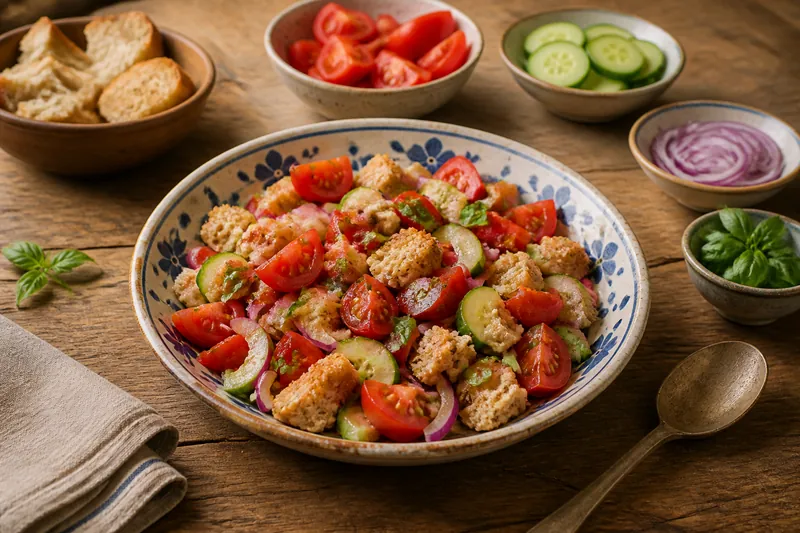 PanzanellaItalianOpen the recipe →
Panzanella is a Tuscan bread and tomato salad that turns stale bread into a meal. It tastes of juicy tomatoes, sharp onion, olive oil, vinegar, and softened bread that still keeps some chew. It is worth making because it uses ordinary bread well and needs no heat. Before starting, know that the bread should be dry enough to absorb dressing without collapsing into paste. Good tomatoes and enough resting time matter here, so the salad can soak up the juices and settle into a balanced texture.
Tomato soup thickened with bread
 Pappa al pomodoroItalianOpen the recipe →
Pappa al pomodoro is a thick Tuscan tomato soup made with bread, tomatoes, garlic, olive oil, and basil. It tastes rustic and soft, with a sweet tomato base and a dense, spoonable body. It is worth cooking because it turns a few humble items into a satisfying supper, especially when bread is going stale. The main thing to know is that the bread changes the soup completely, so add it gradually and stop when the texture is thick and spoonable, not stiff. It should feel relaxed, not heavy.
The flexible vegetable pot
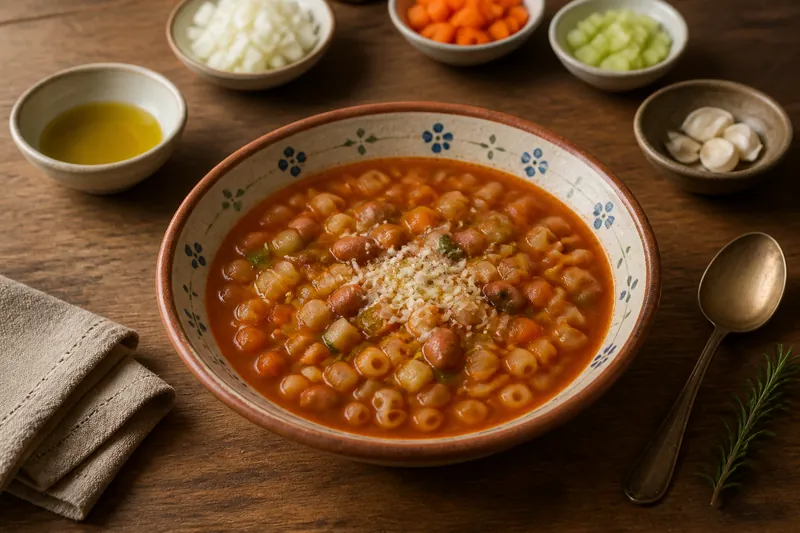 MinestroneItalianOpen the recipe →
Minestrone is a vegetable soup that changes with the season and the pantry. It usually includes onion, carrot, celery, beans, pasta or rice, and whatever vegetables are on hand. The flavor is mild, savory, and comforting, with enough body to serve as a full meal. It is worth cooking because it adapts easily and uses many ordinary ingredients well. One thing to know is that the vegetables should be added in stages, since each one cooks at a different pace. Good broth helps, but the soup is forgiving.
A chilled dessert with a soft set
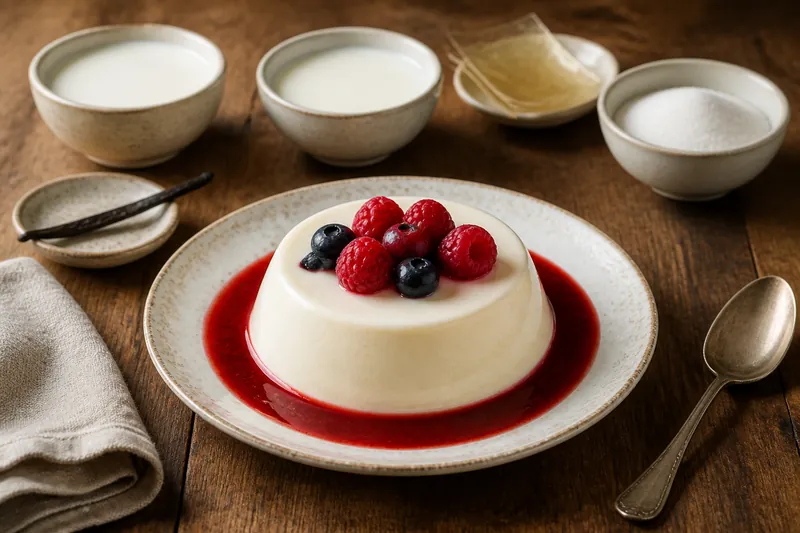 Panna cottaItalianOpen the recipe →
Panna cotta is an Italian cream dessert set with gelatin and served cold. It tastes clean and milky, lightly sweetened, and it can carry fruit, caramel, or coffee without becoming heavy. It is worth making because it looks composed with very little work and can be prepared ahead. The main thing to know is that the cream mixture should be warmed only enough to dissolve the gelatin; do not boil it. Let it set fully in the refrigerator, or the texture will be loose instead of smooth.
Coffee, cream, and soft biscuits
 Traditional TiramisuItalianOpen the recipe →
Traditional Tiramisu layers coffee-soaked biscuits with mascarpone cream and a dusting of cocoa. It tastes bitter, sweet, and softly rich, with the coffee giving structure to the cream. It is worth cooking because it requires no oven and improves as it rests. The main thing to know is that the biscuits need only a brief dip in coffee; if they soak too long, the dessert turns soggy. Assemble it carefully and chill it well so the layers hold when served.
A one-pan chicken braise
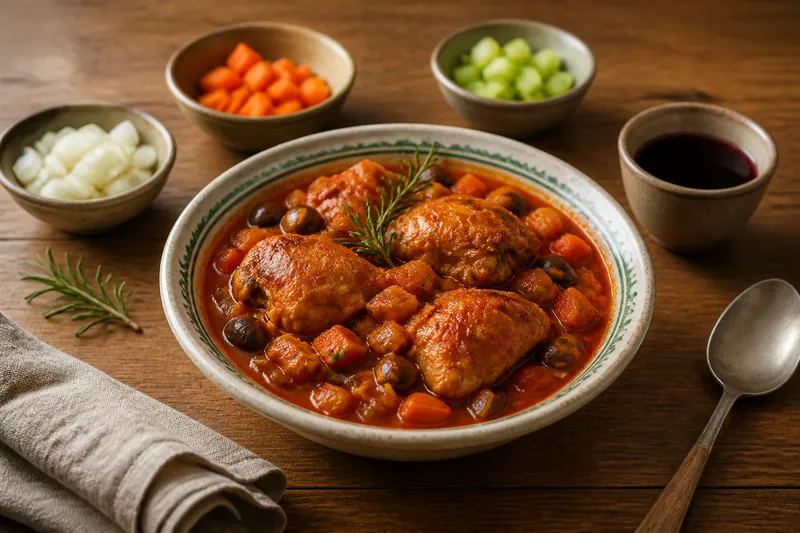 Pollo alla CacciatoraItalianOpen the recipe →
Pollo alla Cacciatora is chicken cooked slowly with tomato, onion, herbs, and often wine or olives, depending on the kitchen making it. The taste is savory and rounded, with tender meat and a sauce that is richer than the ingredient list suggests. It is worth cooking because it is hearty, reliable, and built from common pantry items. What a cook should know is that browning the chicken first matters, since that gives the sauce depth. After that, the long simmer does the work, so keep the heat steady and patient.
These dishes show how Italian home cooking often works: few ingredients, clear steps, and good timing. Start with the no-cook plates and simple pastas, then move toward the braises and desserts. The methods are modest, but the results are solid, satisfying, and easy to return to.