6 Easy Indian Dishes to Cook at Home
Six Indian dishes that are simple, familiar, and forgiving, with short ingredient lists and practical methods for weeknight cooking.
Indian home cooking can be quick as well as layered. The dishes here rely on steady heat, basic pantry spices, and techniques that are easy to repeat once learned.
They are also useful in different ways: some are light breakfasts, some make a full meal, and some work well when you want comfort without much effort.
Quick, light, and good any time
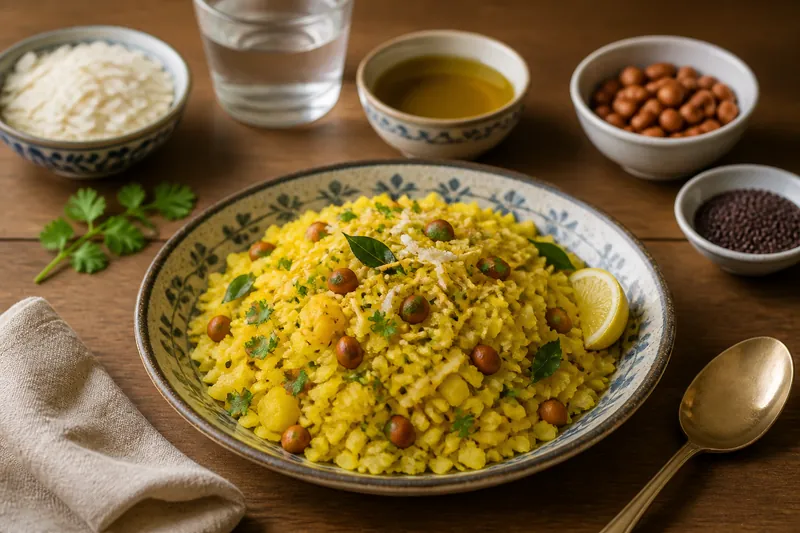
PohaIndianOpen the recipe →Poha is flattened rice cooked with mustard seeds, curry leaves, onion, turmeric, and often peas or potatoes. It tastes savory and bright, with a soft texture that stays separate if handled gently. It is worth cooking because it comes together quickly and makes a calm breakfast or simple supper from ingredients many kitchens already keep. The main thing to know is to rinse the poha just enough to soften it, then drain well; too much water turns it heavy and sticky.
Potato and cauliflower done simply
 Aloo GobiIndianOpen the recipe →
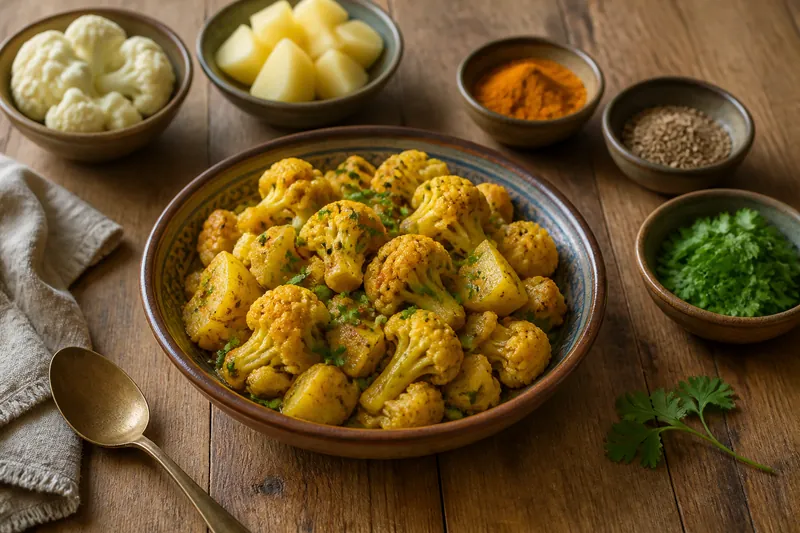
Aloo Gobi is a dry vegetable dish made with potatoes, cauliflower, onion, garlic, ginger, and warm spices. It tastes earthy, lightly sharp, and savory, with edges that can brown a little if cooked properly. It is worth making because it uses a short list of ingredients and works as a side or a main with flatbread or rice. The cook’s main task is to cut the potato and cauliflower into even pieces so they finish at the same time and do not turn mushy.
A pantry curry with real depth
 Spicy Chana MasalaIndianOpen the recipe →
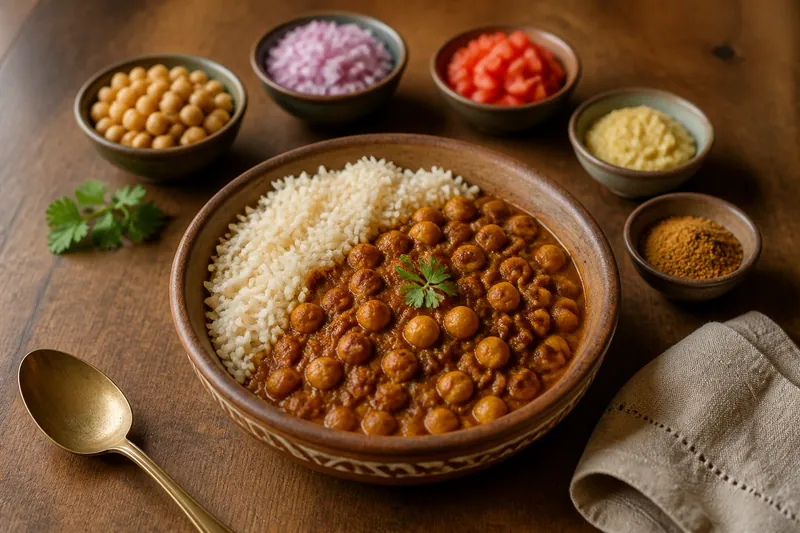
Spicy Chana Masala is a chickpea curry built on onion, tomato, ginger, garlic, and a mix of spices that usually includes cumin, coriander, and chili. It tastes bold, tangy, and warming, with chickpeas that stay firm while absorbing the sauce. It is worth cooking because canned or cooked chickpeas make it straightforward, yet the finished dish still tastes complete and satisfying. Before starting, let the onion and tomato base cook down properly; that reduction gives the curry its depth.
Comfort in one bowl
 Creamy Dal Tadka with Ghee RiceIndianOpen the recipe →
Creamy Dal Tadka with Ghee Rice pairs soft, simmered lentils with rice finished in ghee. The dal tastes mellow and rich, then sharpens when hot spices are bloomed in fat and poured over at the end. The rice adds a simple buttery base that makes the meal feel complete. It is worth cooking because it is filling, soothing, and built from staples. The main thing to watch is the lentils: cook them until fully tender, then season and finish the tadka separately so the flavors stay clear.
Steamed, soft, and lightly tangy
 DhoklaIndianOpen the recipe →
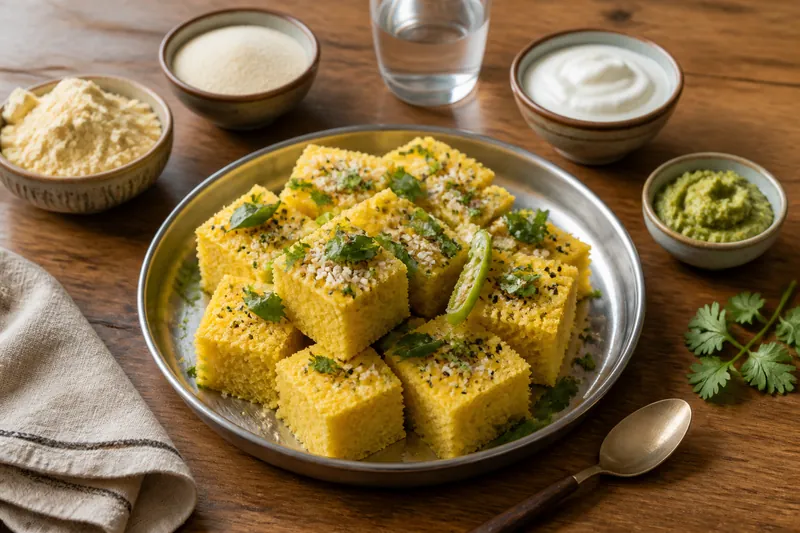
Dhokla is a steamed savory cake, usually made from gram flour, yogurt or lemon, and a little sugar, then finished with mustard seeds and curry leaves. It tastes airy, gently tangy, and faintly sweet, with a springy crumb. It is worth making because steaming gives a reliable result and the batter comes together quickly. The one thing to know is that the batter should be mixed to a smooth, pourable texture and steamed promptly, before the leavening loses strength.
Soft rice and lentils, finished with spice
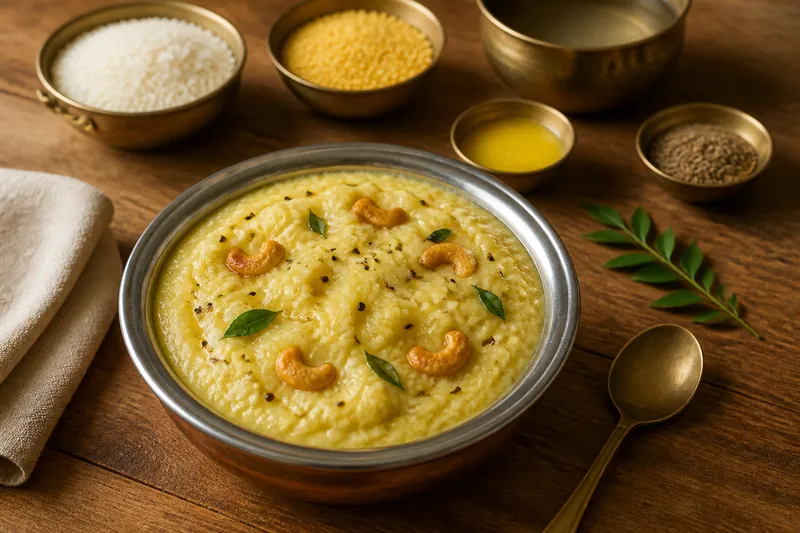 Ven PongalIndianOpen the recipe →
Ven Pongal is a South Indian dish of rice and moong dal cooked together until soft, then tempered with black pepper, cumin, ginger, cashews, and ghee. It tastes creamy, gently peppery, and very comforting, with a texture between porridge and risotto. It is worth cooking because it needs little effort and makes a full breakfast or light meal. The main thing to know is to cook the rice and lentils until they almost lose their shape; that softness is the point, not a mistake.
These dishes are easy for different reasons, but they share a useful pattern: short ingredient lists, clear methods, and room for small mistakes. Start with the one that fits your pantry and the time you have, then repeat it until the rhythm feels natural.