Eight Easy Filipino Dishes to Cook at Home
From rice porridge and chicken adobo to cool desserts, these eight Filipino dishes are simple to make and good to know.

Filipino home cooking often leans on a few useful patterns: sourness, soy sauce, coconut milk, sticky rice, and a steady hand with seasoning. The dishes here are some of the easiest ways into that cooking, whether you want a quick snack, a savory meal, or a dessert.
They are not all equally simple in method, but each one is direct enough for a home cook to handle with an ordinary kitchen. Some need little more than simmering or assembling; others ask for a bit of care with texture. All of them repay the effort with clear, familiar flavors.
Rice Porridge With Ginger and Chicken
Arroz CaldoFilipinoOpen the recipe →Arroz caldo is a warm rice porridge built from chicken, garlic, ginger, and glutinous rice or regular short-grain rice. It tastes savory, gently peppery, and deeply comforting, with the ginger giving it lift. It is worth cooking because it uses simple ingredients and turns them into a meal that feels complete on its own. The usual finish is fried garlic, scallions, and sometimes calamansi or lemon. One thing to know before starting: the rice needs time and frequent stirring so it breaks down and thickens properly without sticking.
The Filipino Staple of Soy and Vinegar
 Chicken AdoboFilipinoOpen the recipe →
Chicken adobo is one of the best-known Filipino dishes for a reason. Chicken is marinated, then simmered in soy sauce, vinegar, garlic, bay leaves, and pepper until the meat is tender and the sauce is savory, sharp, and slightly glossy. It is worth cooking because it is economical, reliable, and even better the next day. Serve it with rice. One thing to know before starting: do not rush the vinegar stage. Let it simmer long enough for the harsh edge to soften and for the sauce to settle into balance.
Chocolate Rice Porridge for Breakfast
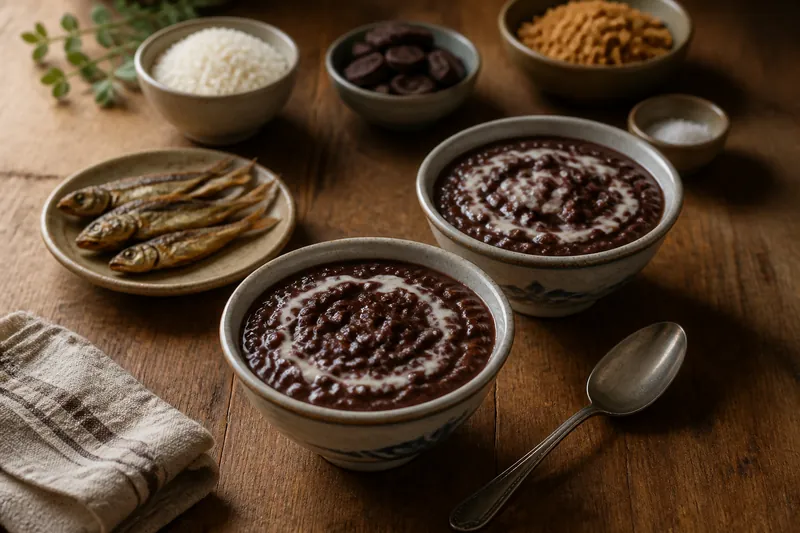 ChamporadoFilipinoOpen the recipe →
Champorado is a sweet chocolate rice porridge made with glutinous rice, cocoa or tablea, and sugar. It tastes rich, earthy, and softly sweet, with a texture that sits between pudding and porridge. Many people eat it for breakfast, often with milk or alongside salty dried fish for contrast. It is worth making because it is uncomplicated and distinctly Filipino. One thing to know before starting: stir often as it cooks, because the rice can catch on the bottom before it has fully softened and thickened.
A Layered Ice Dessert
 Halo-HaloFilipinoOpen the recipe →
Halo-halo is a chilled dessert built from shaved ice, evaporated milk, sweet beans, fruit, jellies, leche flan, and often ube or ice cream. It tastes cold, creamy, and pleasantly mixed, with each spoonful changing as the layers shift. It is worth making at home because it asks for no cooking and rewards a well-stocked pantry or freezer. One thing to know before starting: the order matters less than the textures. Use small pieces and soft components so the dessert can be stirred and eaten easily once assembled.
Fresh Fish Cured in Vinegar
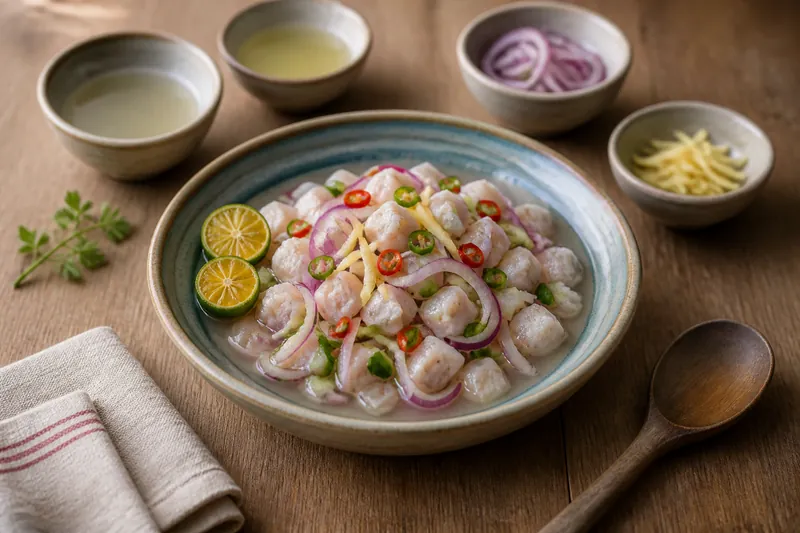 KinilawFilipinoOpen the recipe →
Kinilaw is a raw fish dish cured in vinegar or citrus, then mixed with onion, ginger, chili, and sometimes coconut milk. It tastes bright, clean, and sharp, with the fish kept firm by the acid rather than heat. It is worth cooking, if that is the word, because it is fast and direct, and it shows how Filipino cooking handles acidity with confidence. One thing to know before starting: use very fresh fish from a source you trust, and chill it well before serving. The balance of sourness is the whole dish.
Crispy Quail Eggs in Orange Batter
 Kwek-KwekFilipinoOpen the recipe →
Kwek-kwek is a street food of hard-cooked quail eggs coated in a bright orange batter and fried until crisp. It tastes salty, eggy, and crunchy, usually served with a vinegar-based dipping sauce. It is worth making at home because the ingredients are basic and the result is immediately satisfying. One thing to know before starting: dry the eggs well before battering them, or the coating will slip. Keep the oil steady and hot so the crust sets quickly without soaking up too much fat.
Soft Coconut Pudding
 Maja BlancaFilipinoOpen the recipe →
Maja blanca is a coconut milk pudding thickened with cornstarch and often finished with corn and toasted coconut or milk solids. It tastes mild, creamy, and lightly sweet, with a smooth set that cuts cleanly when chilled. It is worth making because it is simple, uses a short ingredient list, and can be served as a snack or dessert. One thing to know before starting: the cornstarch must be cooked through while stirring constantly, or the pudding can taste chalky and fail to thicken evenly.
A Hard-Boiled Egg With a Different Center
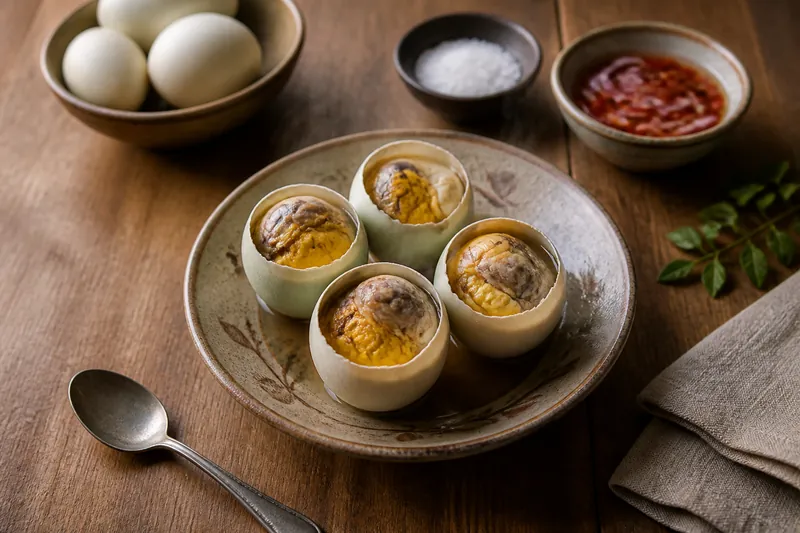 BalutFilipinoOpen the recipe →
Balut is a fertilized duck egg cooked in the shell and eaten warm, usually with salt, vinegar, or chili. Its flavor is rich and eggy, with a broth-like sip from the shell and a firm yolk at the center. It is worth noting because it is one of the most recognized Filipino foods, though it is not for everyone. One thing to know before starting: timing and freshness matter most. The egg should be cooked just enough to be hot through, not so long that the texture becomes tough.
These dishes show how approachable Filipino cooking can be at home. Some are built for the stove, some for the table, and some for the fridge. Start with the one that matches your comfort level, then move toward the sharper, sweeter, or more unusual ones.