8 Easy Ethiopian Dishes to Cook at Home
These eight Ethiopian dishes use familiar ingredients, steady spice, and clear methods, making them good starting points for home cooks.
Ethiopian food is built on careful seasoning, soft stews, and grains or flatbread that carry the meal. Many of the easiest dishes at home rely on pantry staples, modest spice, and straightforward cooking.
These eight recipes are approachable without losing their character. Some are hearty, some are sharp and fresh, and some work as side dishes, but all of them give a clear way into the kitchen.
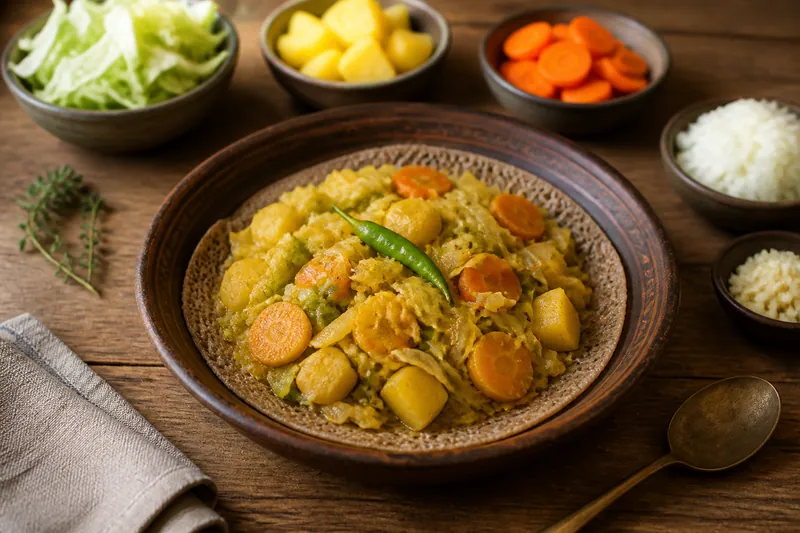
Cabbage, Potato, and Carrot Stew
Atkilt WatEthiopianOpen the recipe →Atkilt wat is a vegetable stew of cabbage, potatoes, and carrots cooked until tender in a lightly spiced base. It is mild, earthy, and a little sweet from the carrots, with enough warmth from the seasoning to keep it interesting. This is one of the easiest Ethiopian dishes to make because the ingredients are common and the method is direct. The main thing to watch is the vegetables: they should soften without breaking apart, so cut them into even pieces and keep the heat steady once they start cooking.
A Lentil Salad Served Cold
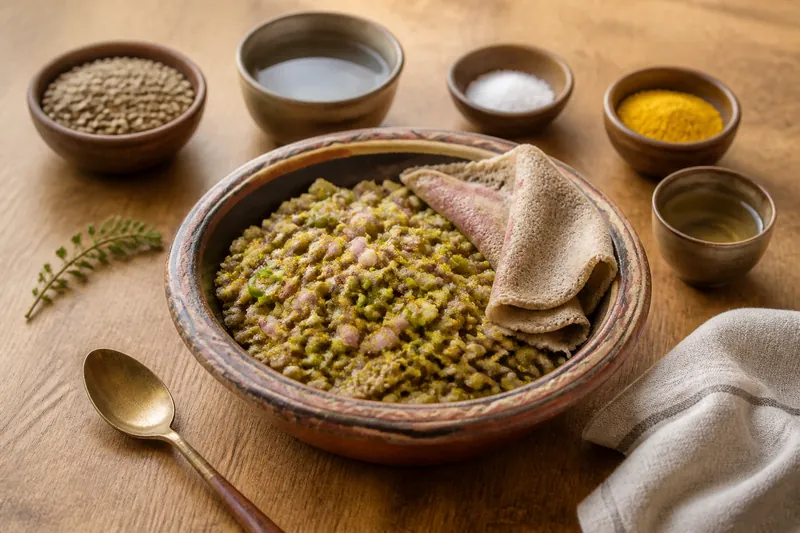 AzifaEthiopianOpen the recipe →
Azifa is a chilled lentil salad, usually bright with onion, lemon, mustard, and a little spice. It tastes clean and sharp, with the lentils giving body and the dressing doing the work. It is useful because it can be served as a side, a light lunch, or part of a larger spread. Cooking it well depends on the lentils staying intact. Use lentils that hold their shape, drain them fully, and let them cool before mixing so the dressing stays lively instead of muddy.
Warm Chickpea Dip
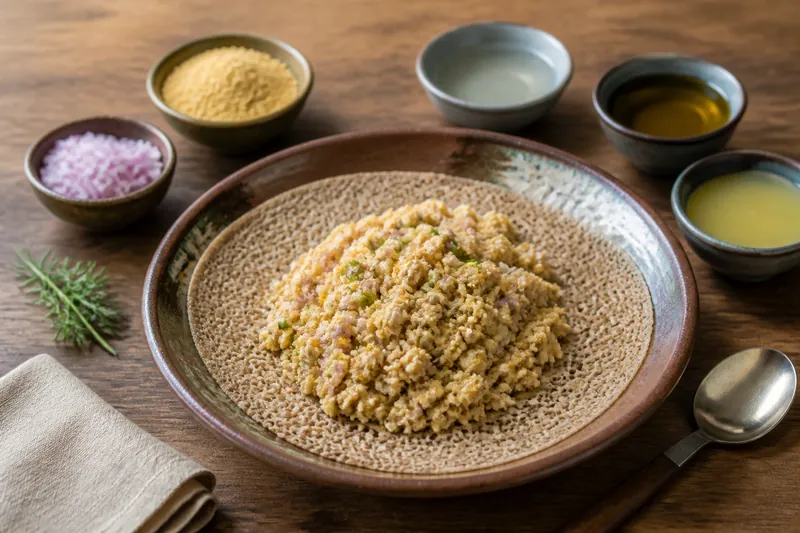 ButichaEthiopianOpen the recipe →
Buticha is a soft chickpea dish, often made into a thick mash with onion, lemon, and spices. It is gentle but not plain, with chickpeas giving a nutty taste and the seasoning adding lift. It is worth cooking because it is quick, filling, and easy to serve with flatbread or vegetables. The texture matters most: it should be smooth but not gluey. Mash the chickpeas while they are still warm, then season gradually, tasting as you go so the lemon and spice stay balanced.
Spiced Shreds of Flatbread
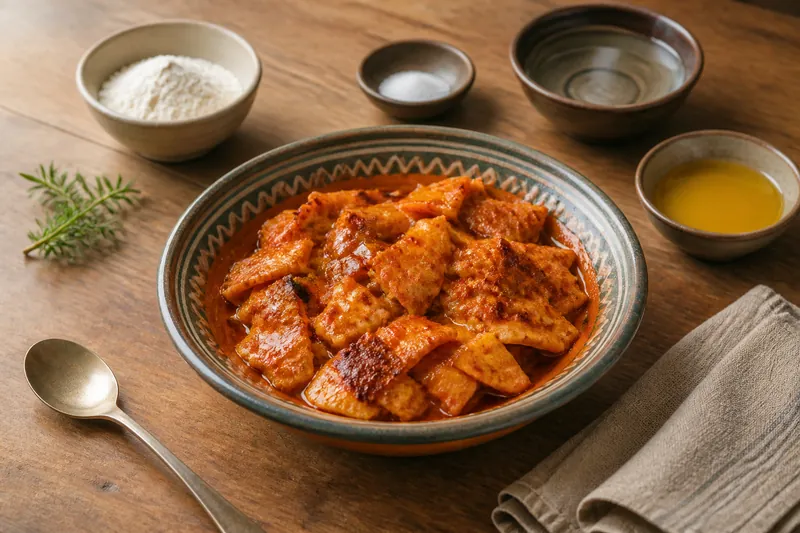 ChechebsaEthiopianOpen the recipe →
Chechebsa is made from torn or shredded flatbread tossed with spiced butter and seasonings until the pieces are coated and flavorful. It tastes rich, warm, and slightly crisp at the edges, with enough fat and spice to make a simple dish feel complete. It is one of the easier Ethiopian foods to cook because the technique is simple and the ingredients are few. The only real caution is timing: the bread should be coated while still able to absorb flavor, but not so wet that it turns heavy.
Eggs Mixed with Injera
 Enkulal FirfirEthiopianOpen the recipe →
Enkulal firfir is a fast egg dish with torn injera folded into softly cooked eggs and seasoning. It is savory, soft, and slightly tangy if the injera is lively, with the eggs binding everything together. It is worth cooking when you want a quick breakfast or supper that still feels specific to Ethiopian cooking. The key is not to overcook the eggs. They should stay tender, since they will keep cooking a little after the pan comes off the heat, and the injera should be added at the right moment so it softens without disappearing.
Quick Beef with Spice
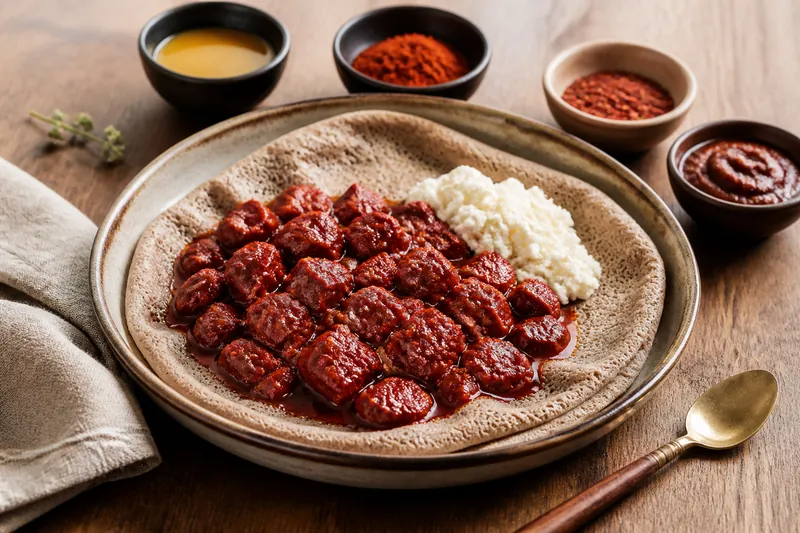 Gored GoredEthiopianOpen the recipe →
Gored gored is a simple beef dish, often served in cubes or lightly seasoned pieces, with a bold, clean flavor from spice and fat. It is direct rather than complicated, and that is part of its appeal. When done well, it tastes rich and immediate, with the beef taking the lead. It is worth trying if you are comfortable handling raw meat and want a very fast dish. The main thing to know is that quality matters here: use excellent beef, cut it evenly, and season just before serving so the texture stays fresh.
Torn Injera in a Savory Sauce
 Injera FirfirEthiopianOpen the recipe →
Injera firfir is a dish of torn injera warmed in a seasoned sauce until soft and saturated. It tastes tangy, savory, and deeply comforting, with the bread soaking up every bit of flavor. It is one of the most useful Ethiopian dishes for home cooks because it turns leftover injera into something satisfying rather than tired. The main thing to understand is the injera itself: if it is very sour or dry, it will absorb differently. Add liquid carefully so it softens evenly without becoming mushy.
Mild Split Pea Stew
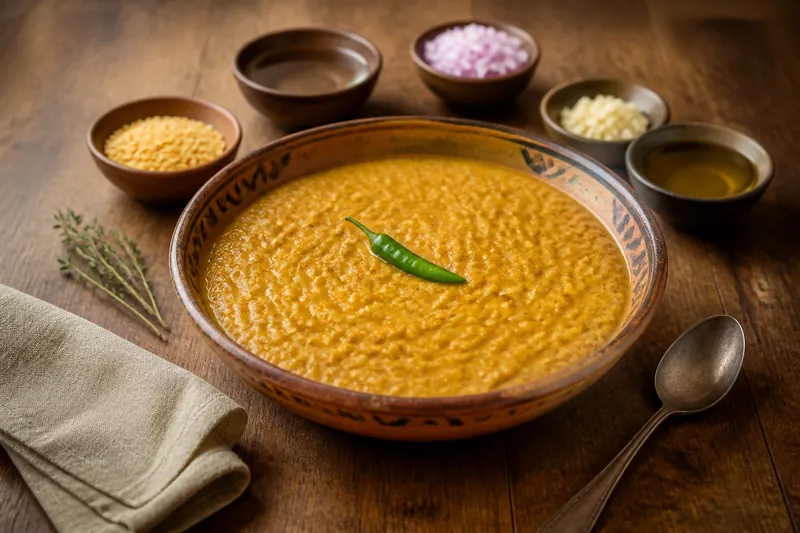 Kik AlichaEthiopianOpen the recipe →
Kik alicha is a gentle split pea stew, usually cooked with onion, garlic, and turmeric until creamy and soft. It is mild in flavor but not dull, with a clean, comforting taste and a golden color that makes it inviting on the table. It is worth cooking because it is inexpensive, filling, and forgiving. The one thing to know before starting is that the peas need enough time to break down properly. Stir occasionally and keep the heat low enough that they soften without catching on the bottom of the pot.
These dishes show how approachable Ethiopian cooking can be at home. Start with the ones built on lentils, chickpeas, or vegetables, then move toward the bread-based dishes and beef when you want more range. The methods stay clear, and the flavors stay distinct.