Eight Easy Dutch Dishes to Cook at Home
From sweet pastries to ham, eggs, and simple street food, these eight Dutch dishes are easy to make and useful to know.
Dutch cooking has a plain edge and a practical one. These are dishes built from things most kitchens already know how to handle: pastry, potatoes, eggs, fruit, bread, and a few familiar pantry staples.
Some are treats, some are meals, and some are more about assembling than cooking. Taken together, they give a useful starting point for anyone who wants to cook Dutch food without chasing hard-to-find techniques.
A simple apple pastry
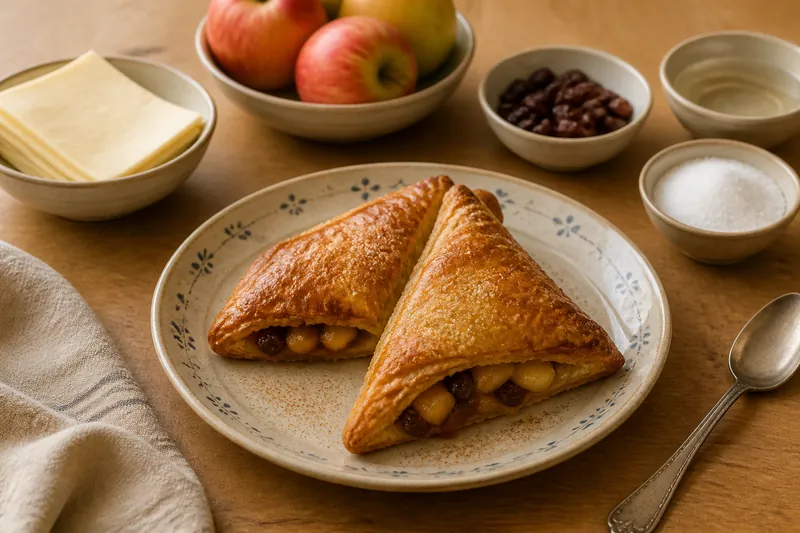
AppelflappenDutchOpen the recipe →Appelflappen are crisp pastry parcels filled with apple, usually cut with a little sugar and spice. They bake to a golden shell with soft fruit inside, and the contrast is what makes them so appealing. The flavor is direct: apple, cinnamon, butter, and a little sweetness. They are worth making because they feel festive without asking much from the cook. One thing to know before starting is that the apple filling should not be too wet, or the pastry can turn soggy before it browns.
Spring asparagus, the Dutch way
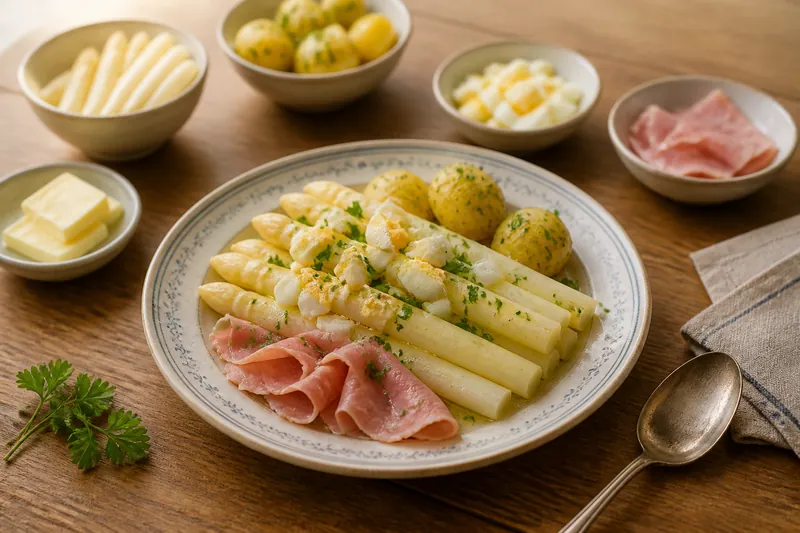 Asperges met ham en eiDutchOpen the recipe →
Asperges met ham en ei is a gentle dish of white asparagus served with ham and egg, often with butter or a simple sauce. It tastes clean, rich, and seasonal, with the asparagus bringing a soft bitterness and the egg and ham adding salt and weight. It is worth cooking when the asparagus is in season, because the dish depends on freshness more than technique. One thing to know before starting is that white asparagus needs careful peeling; leave the skin on and it will stay fibrous.
Birth-day rusk with aniseed sprinkles
 Beschuit met muisjesDutchOpen the recipe →
Beschuit met muisjes is a rusk topped with butter and sugared aniseed sprinkles. It is traditionally served for births, and the appeal is more cultural than culinary, though the taste is pleasant enough: dry, crisp rusk against butter and the sweet, licorice-like crunch of the muisjes. It is worth knowing because it is one of the simplest Dutch foods to prepare, and it tells you something about everyday Dutch ceremony. One thing to know before starting is to use fresh butter and serve it soon after assembling, while the rusk is still crisp.
Dense butter cake with a short crumb
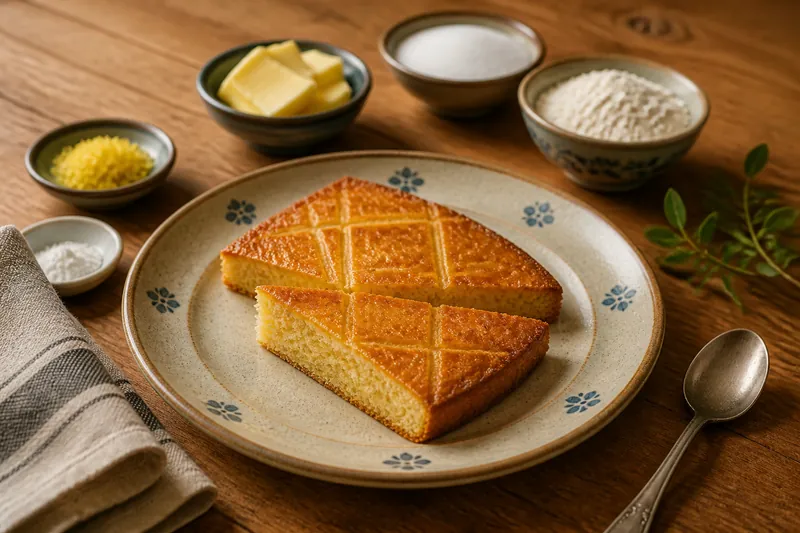 BoterkoekDutchOpen the recipe →
Boterkoek is a shallow butter cake with a compact, rich crumb and a pale, tender middle. It tastes like butter first, then sugar and vanilla, with a texture somewhere between cake and cookie. It is worth making because it uses few ingredients and rewards a light hand; the simplicity is the point. One thing to know before starting is not to overbake it. Boterkoek should stay a little soft in the center, and it firms as it cools rather than drying out in the oven.
A fast snack with sauce and onion
 Frikandel speciaalDutchOpen the recipe →
Frikandel speciaal is a split frikandel topped with curry ketchup, mayonnaise, and chopped onion. It is salty, soft, and messy in the best possible way, with the sauces giving sweetness and richness and the onion bringing sharpness. It is worth cooking at home because it is fast, familiar, and very much about balance rather than finesse. One thing to know before starting is that the frikandel should be heated through without drying out; the texture is meant to stay tender, not crisp.
Potatoes and apples in one pan
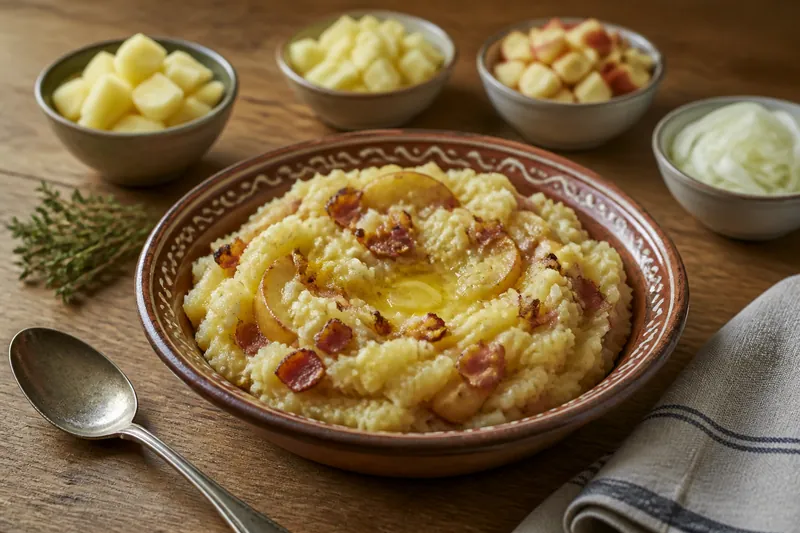 Hete bliksemDutchOpen the recipe →
Hete bliksem is a mash of potatoes and tart apples, sometimes with onion, bacon, or sausage served alongside. It tastes sweet, earthy, and comforting, with the apple lightening the starch and giving the dish a slight tang. It is worth cooking because it is plain food that still has character, and it makes good use of inexpensive ingredients. One thing to know before starting is to choose apples that hold some shape and have enough acidity; very soft or very sweet apples can make the mash flat.
Young herring, kept very simple
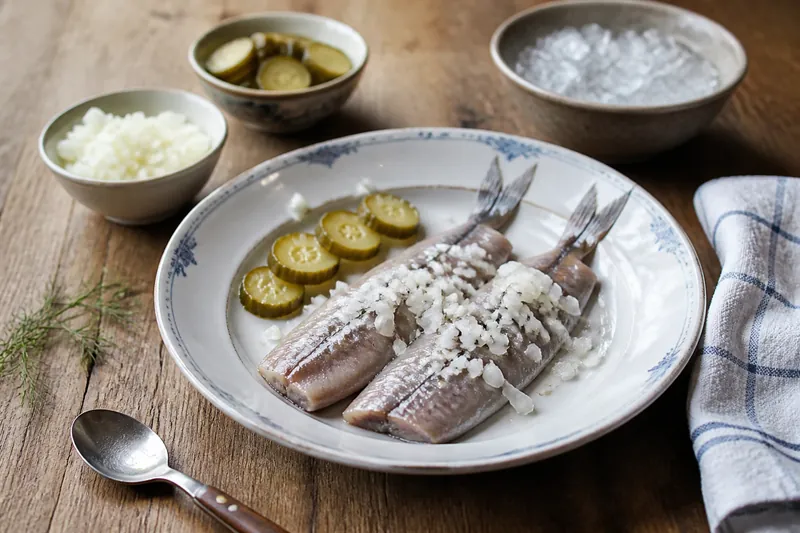 Hollandse NieuweDutchOpen the recipe →
Hollandse Nieuwe is young cured herring, usually eaten with onion and sometimes pickles. It tastes clean, oily, and briny, with a soft texture that is best when the fish is fresh and cold. It is worth trying because it is one of the clearest expressions of Dutch food culture: minimal treatment, direct flavor, no disguise. One thing to know before starting is that the fish should be well chilled and handled gently. If you are not used to herring, starting with a small portion is sensible.
Spiced breakfast loaf
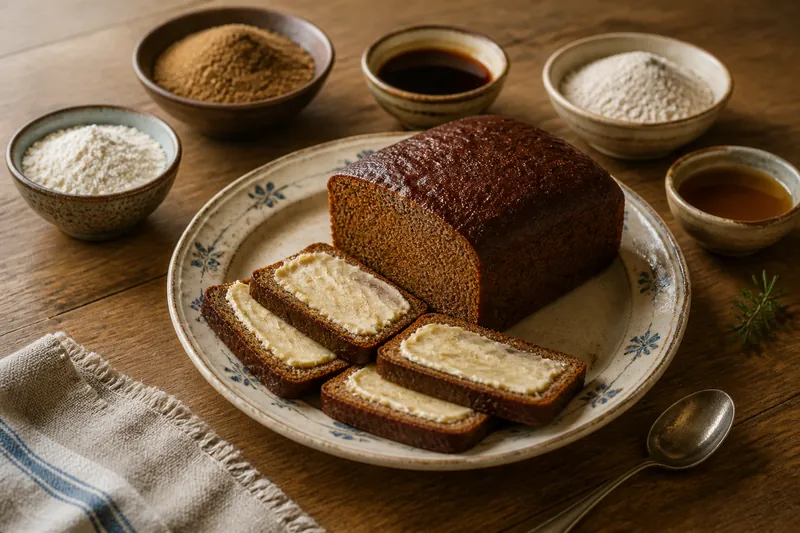 OntbijtkoekDutchOpen the recipe →
Ontbijtkoek is a dark, spiced quick bread with a soft, sticky crumb and a flavor built around ginger, cinnamon, and molasses-like sweetness. It is often eaten sliced with butter, at breakfast or with coffee, and it keeps well. It is worth baking because the flavor deepens overnight, which gives you a loaf that feels more complete the next day. One thing to know before starting is to respect the resting time; the batter or dough needs that overnight pause for the texture and spice to settle properly.
These dishes are easy for different reasons: some are quick, some are simple, and some rely on a few good ingredients rather than skill. Together they offer a practical way into Dutch cooking, with plenty of room to learn the rhythms of the cuisine as you go.