8 easy Chinese dishes to cook at home
Eight Chinese dishes that are straightforward to make, with clear flavors, short ingredient lists, and practical methods for weeknight cooking.
Chinese home cooking does not need to be complicated. The dishes below rely on a few familiar techniques: frying rice, steaming fish, stir-frying meat and vegetables, and boiling noodles or congee.
They are useful because they reward good timing more than long ingredient lists. Get the heat, seasoning, and cutting size right, and each one comes together with very little fuss.
The quickest use for leftover rice
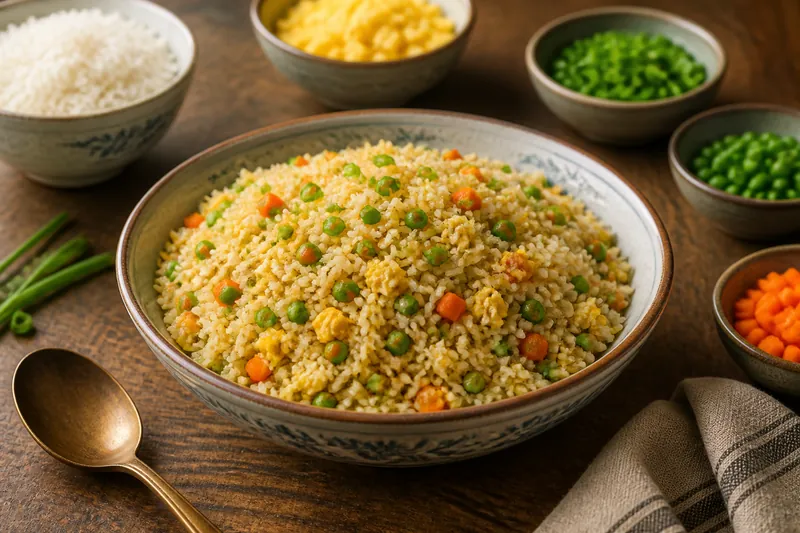
Classic Egg Fried RiceChineseOpen the recipe →Classic egg fried rice is plain in the best way: savory rice, softly set egg, and a little salt and soy for depth. The flavor is clean and comforting, with the grainy, separate texture that makes fried rice satisfying. It is worth cooking because it turns cold rice into a complete meal in minutes. The main thing to know is that the rice should be cold and dry, or it will clump and turn heavy in the pan. Keep the heat fairly high and move quickly.
Fried rice with more to chew on
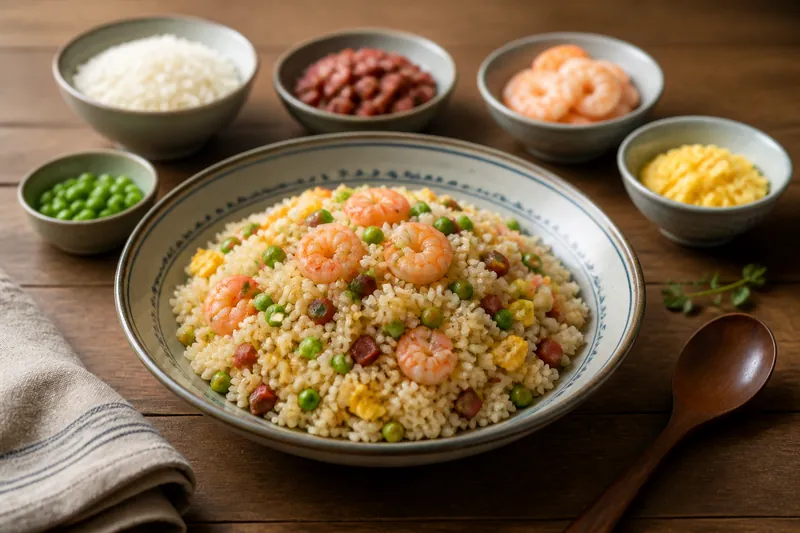 Yangchow Fried RiceChineseOpen the recipe →
Yangchow fried rice is a richer, more mixed version of egg fried rice, usually built with shrimp, char siu, peas, and egg. It tastes savory, lightly sweet, and varied in texture, with each bite giving something a little different. It is worth cooking when you want fried rice that feels more complete without becoming difficult. The point to watch is balance: keep the additions small and tidy so the rice stays the main thing. Overloading the pan makes it steam instead of fry.
Fast stir-fry with a familiar sauce
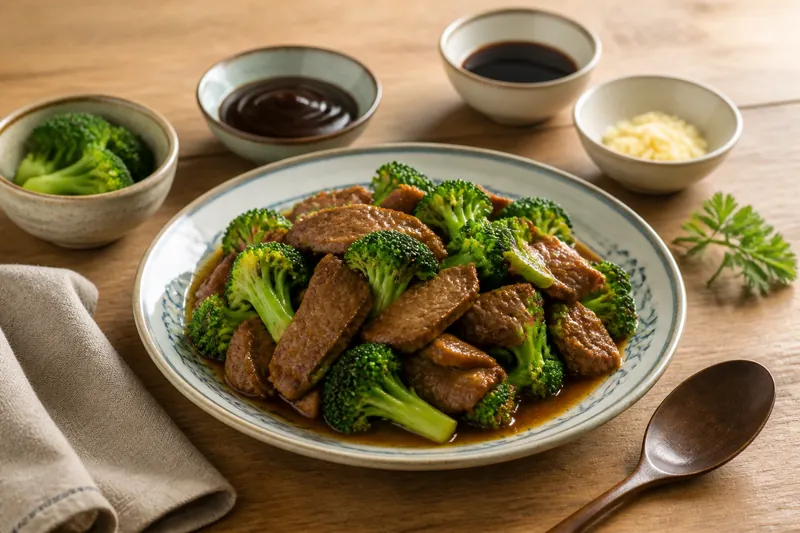 Beef and BroccoliChineseOpen the recipe →
Beef and broccoli is one of the easiest stir-fries to bring together at home. The beef is usually sliced thin and cooked quickly, then combined with broccoli in a glossy soy-based sauce that is savory, slightly sweet, and a little garlicky. It is worth cooking because it gives you a balanced meal with very little waiting. The key thing to know is that the beef must be sliced across the grain and cut thin enough to cook in seconds, not minutes. Prep matters more than the stir-fry itself.
Simple fish with clean seasoning
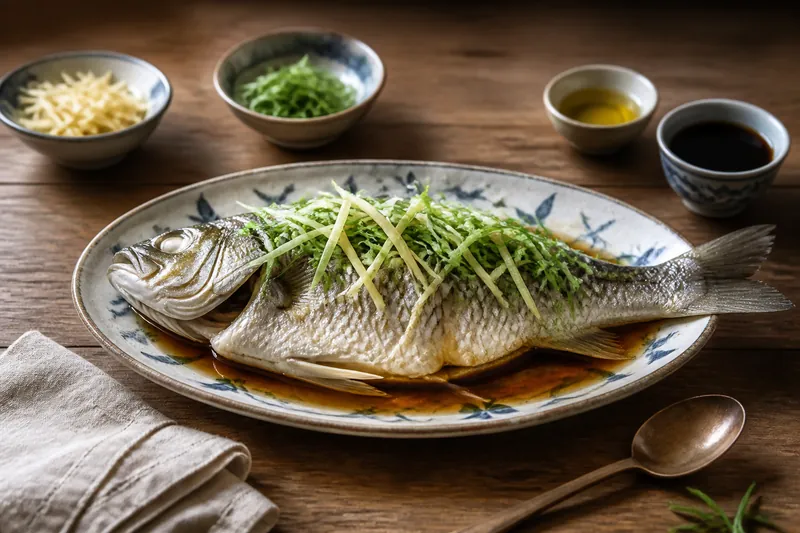 Cantonese Steamed FishChineseOpen the recipe →
Cantonese steamed fish is one of the lightest dishes here, and one of the most exact. The fish is steamed just until tender, then finished with ginger, scallion, and hot oil, sometimes with soy sauce for salt and fragrance. It tastes delicate, fresh, and clean, with no heavy coating to hide the fish. It is worth cooking because it shows how little a good piece of fish needs. The thing to know is that timing is brief and unforgiving; overcooking makes the flesh dry and breaks the texture.
Peppery stir-fry with a little heat
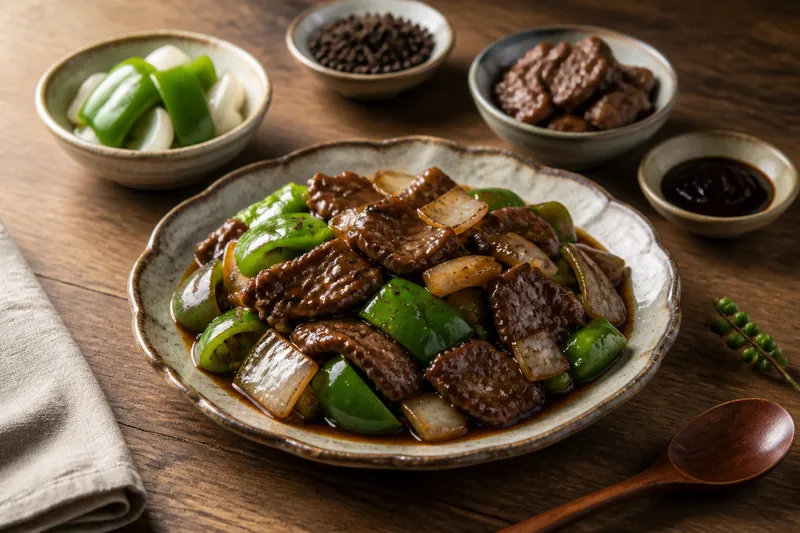 Cantonese Black Pepper BeefChineseOpen the recipe →
Cantonese black pepper beef is a quick, saucy stir-fry built around sliced beef, onions, and a black pepper gravy that is sharp, warm, and deeply savory. It tastes bolder than many Cantonese dishes, but still rounded and familiar. It is worth cooking because it gives you a restaurant-style stir-fry without much fuss. The main thing to know is that black pepper should be freshly ground and used generously, since the dish depends on that fragrance. The sauce should be ready before the beef goes in.
Blistered beans with plenty of flavor
 Dry-Fried Green Beans (Gan Bian Si Ji Dou)ChineseOpen the recipe →
Dry-fried green beans are cooked until wrinkled and blistered, then tossed with garlic, preserved vegetables, minced pork, or chilies depending on the version. The taste is intense and savory, with the beans themselves turning sweet and almost smoky from the frying. They are worth cooking because they turn an ordinary vegetable into the boldest part of the table. One thing to know is that the beans need enough time in hot oil or a hot pan to lose their raw bite; undercooked beans stay squeaky and tough.
Slow porridge for a soft meal
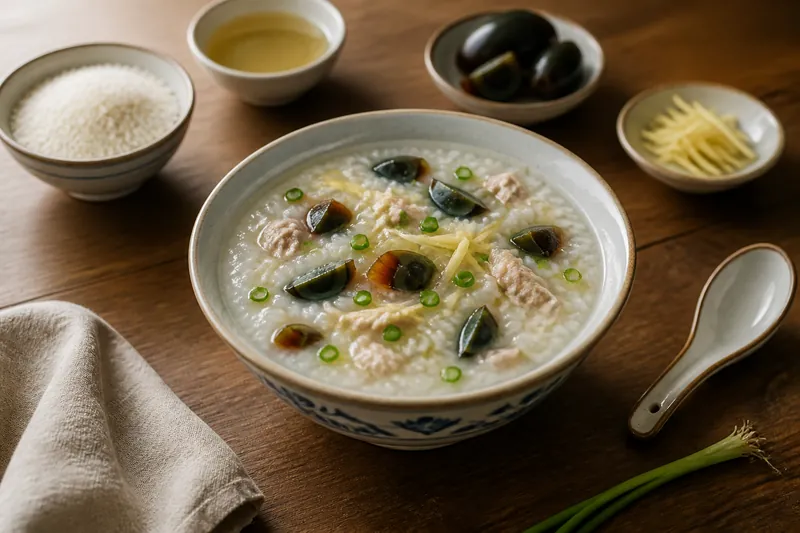 Century Egg and Pork CongeeChineseOpen the recipe →
Century egg and pork congee is a rice porridge with a gentle, silky base and pieces of pork and century egg scattered through it. The flavor is mild, comforting, and savory, with the century egg adding depth rather than sharpness once it is cooked in. It is worth making when you want something soft, filling, and easy to digest. The main thing to know is that congee takes time and stirring or checking; the rice must break down fully so the porridge turns smooth rather than watery.
Noodles built on one good sauce
 Scallion Oil NoodlesChineseOpen the recipe →
Scallion oil noodles are humble and satisfying: noodles coated in a fragrant oil made from slowly cooked scallions, with soy sauce and a little sugar for balance. They taste deeply savory, with a sweet onion note and a glossy finish that clings to every strand. They are worth cooking because the dish depends on a few pantry ingredients and still feels complete. The thing to know is that the scallions need slow cooking, not just a quick fry, so they soften and perfume the oil instead of burning.
These dishes are easy for different reasons: some depend on speed, others on simple technique or patient simmering. Together they give a good starting point for Chinese home cooking without requiring special equipment or a long shopping list.