6 Easy Brazilian Dishes to Cook at Home
These six Brazilian dishes use short ingredient lists, simple methods, and familiar equipment, from sweets to a cornmeal staple.
Brazilian home cooking has many dishes that ask for little more than patience, a heavy pan, and a few good pantry ingredients. These are the ones that fit easily into a weeknight or a weekend kitchen.
Some are sweets, some are snacks, and one is a simple steamed staple, but all of them are approachable. The method matters more than the technique, which is why they are useful to learn first.
The quick chocolate sweet
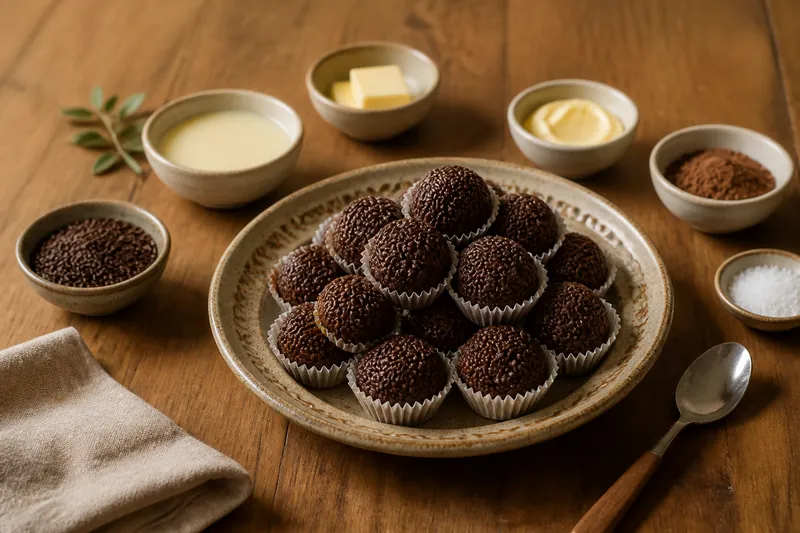
BrigadeiroBrazilianOpen the recipe →Brigadeiro is a soft chocolate fudge rolled into small balls and coated in sprinkles. It tastes milky, dense, and deeply cocoa-rich, with a texture somewhere between ganache and soft caramel. It is worth cooking because it needs only a few ingredients and sets into a reliable party sweet with very little effort. The mixture must be stirred over gentle heat until it thickens enough to pull away from the pan; if you stop too soon, it will stay sticky and hard to shape.
Creamy corn simmered slowly
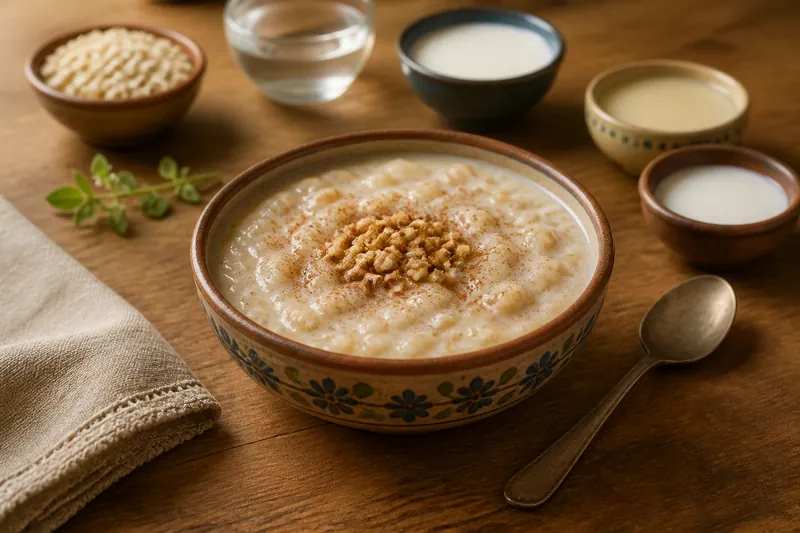 CanjicaBrazilianOpen the recipe →
Canjica is a warm, milky dessert made with dried hominy-style corn cooked until tender, then enriched with sugar, coconut, and spices. It tastes gentle and comforting, with a soft chew from the corn and a sweet, almost porridge-like sauce. It is worth making when you want a dish that feels old-fashioned and filling, yet uses straightforward ingredients. The main thing to know is that the corn needs overnight soaking, so the timing starts the day before; without that step, the kernels take much longer to soften.
Simple coconut candy
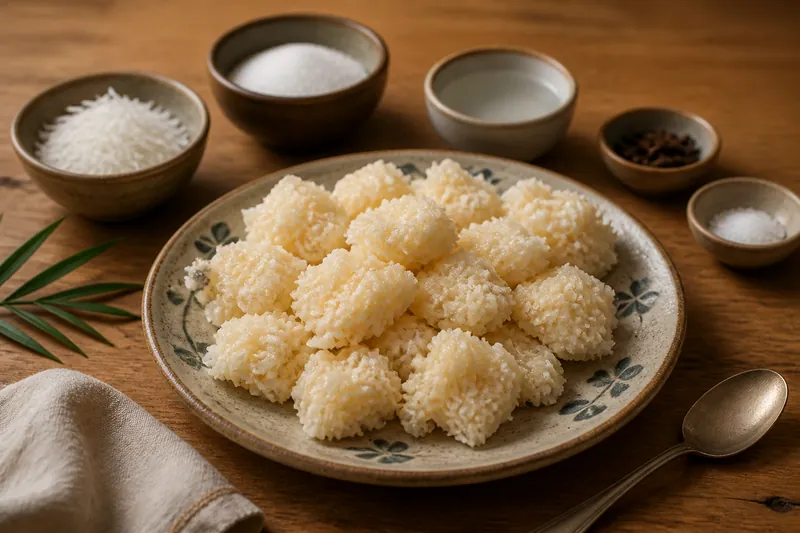 CocadaBrazilianOpen the recipe →
Cocada is a coconut sweet made by cooking shredded coconut with sugar until it becomes sticky, then firming up as it cools. It can be chewy or a little crisp at the edges, with a clean coconut flavor and direct sweetness. It is worth cooking because it comes together quickly and needs no special equipment beyond a saucepan and a spoon. The mixture can turn from soft and glossy to dry and crumbly fast, so keep the heat moderate and watch for the moment it starts to hold together.
Steamed cornmeal for any meal
 Cuscuz nordestinoBrazilianOpen the recipe →
Cuscuz nordestino is a steamed cornmeal dish from Brazil’s northeast, usually cooked in a special mold but easy enough to make with a steamer basket. It tastes lightly sweet, earthy, and clean, with a fluffy crumb that takes well to butter, eggs, cheese, or savory accompaniments. It is worth learning because it is fast, filling, and useful at breakfast or supper. Before starting, the cornmeal must be moistened and rested so it steams evenly; dry grains will not cook into the right texture.
Cheese and guava, kept simple
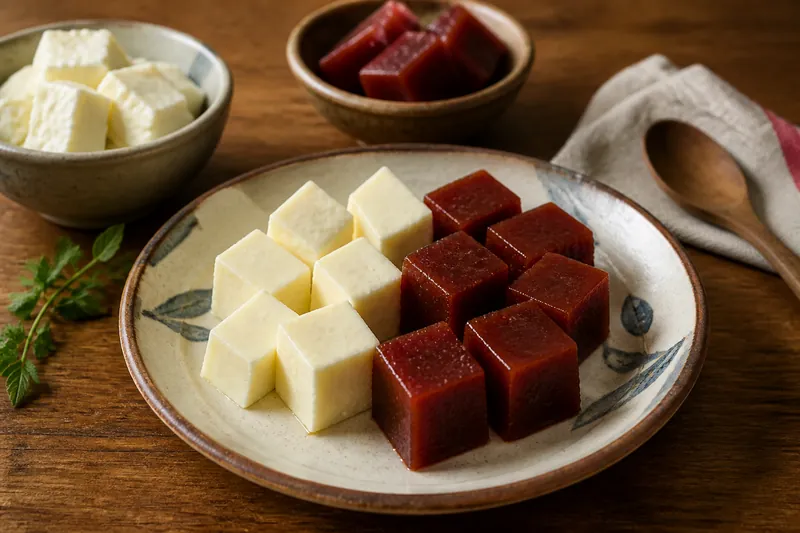 Romeu e JulietaBrazilianOpen the recipe →
Romeu e Julieta pairs mild cheese with guava paste, usually as a dessert or snack. The result is sweet, salty, creamy, and firm at once, with the guava bringing a dense fruit flavor that balances the cheese. It is worth making because it needs almost no cooking and still feels complete. The main thing to know is that the cheese should be chosen for its mildness and sliceability; if it is too sharp or too soft, the balance with the guava paste can be lost.
Fast cassava crepes
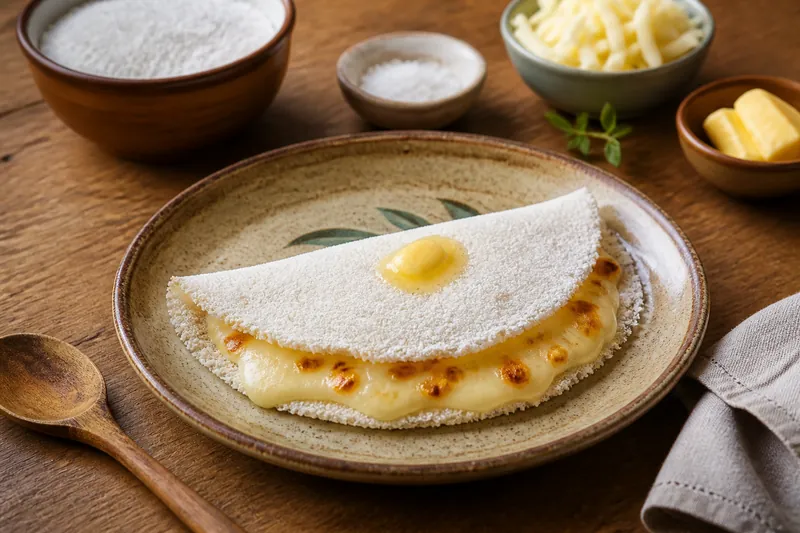 TapiocaBrazilianOpen the recipe →
Tapioca in Brazil is a soft crepe made from hydrated tapioca starch, cooked in a dry pan until it binds, then filled with sweet or savory ingredients. It tastes neutral on its own, with a lightly chewy texture that works as a blank canvas for cheese, coconut, butter, or jam. It is worth cooking because it is one of the quickest Brazilian staples to make at home. The starch must be properly moistened and sifted or loosened before it hits the pan; otherwise the crepe can crack, clump, or cook unevenly.
Taken together, these dishes show how often Brazilian cooking leans on a few good ingredients handled with care. Start with the shortest recipes first, then work up to the ones that need soaking or longer stirring, and the methods will quickly feel familiar.