Seven Colombian Dishes That Feed Six or More
From soups to sweets, these Colombian dishes are built for generous tables and make enough for a crowd without much fuss.

Colombian home cooking often starts with a large pot, a steady flame, and enough food for whoever turns up. These dishes are the ones that stretch well, sit happily at the center of the table, and suit family meals, gatherings, and weekends when you want leftovers.
They range from thick soups and savory breads to simple sweets. Some need soaking, some need careful stirring, and some are best eaten fresh from the oven, but each one is practical when you need to feed six or more.
A bowl built for a crowd
Ajiaco santafereñoColombianOpen the recipe →Ajiaco santafereño is a thick Bogotá chicken soup made with three kinds of potato, corn, guascas, and usually capers and cream at the table. It tastes gently herbal, starchy, and comforting, with enough body to serve as a full meal. It is worth cooking because it feeds well and improves as the potatoes break down into the broth. Keep an eye on the texture: the goal is a soup with substance, not a mash, so cook the potatoes until tender but not fully disintegrated.
A firm guava sweet for slicing
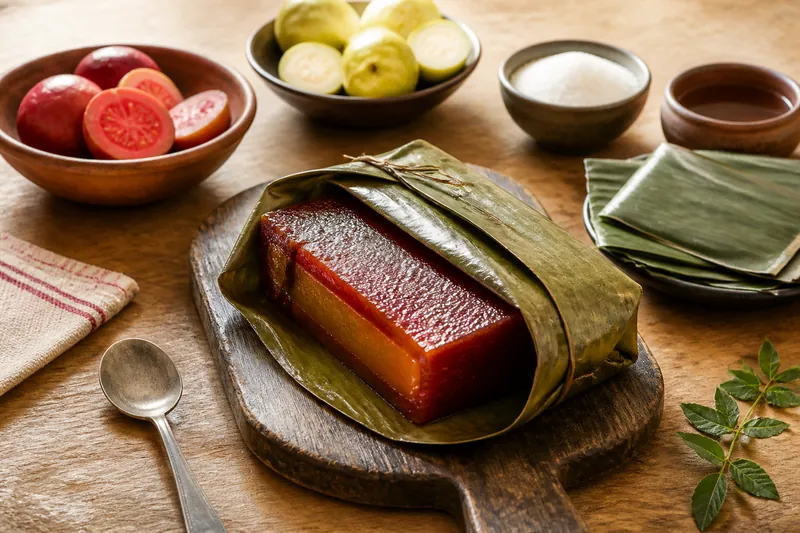 Bocadillo veleñoColombianOpen the recipe →
Bocadillo veleño is a dense guava paste made in squares or blocks, usually wrapped in leaves or sold in neat portions. It is sweet, floral, and slightly tangy, with a texture that sits between jelly and candy. It is worth making because it keeps well and serves a crowd in small pieces, often alongside cheese or bread. The one thing to know is that it needs patient cooking and stirring until the fruit thickens enough to hold its shape; rushing it leaves the paste too soft.
Small coconut sweets with easy yield
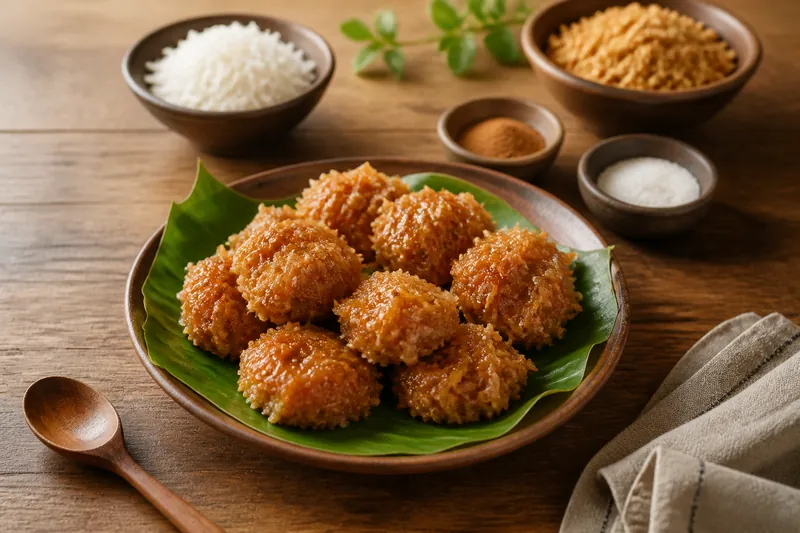 CocadasColombianOpen the recipe →
Cocadas are chewy coconut sweets, commonly made with shredded coconut, sugar, and often milk or panela for depth. They taste rich, milky, and toasted at the edges if cooked a little longer. They are worth cooking because the batch size stretches easily and the finished candies are simple to portion for a group. Watch the heat closely. Coconut burns fast once the mixture tightens, so stir often and take it off the stove as soon as it becomes thick, glossy, and moundable.
Hearty grain soup with pork backbone
 Cuchuco de trigo con espinazoColombianOpen the recipe →
Cuchuco de trigo con espinazo is a rustic soup of cracked wheat and pork backbone, often finished with vegetables that vary by household. It tastes deep, savory, and slightly nutty, with the wheat giving it a soft, porridge-like body. It is worth cooking because it makes a filling main dish for many people and gets its flavor from long simmering rather than complicated steps. Soak or rinse the wheat well before cooking if needed, and give the pork time to tenderize; the soup needs slow heat to develop properly.
The long-cooked stew that feeds a table
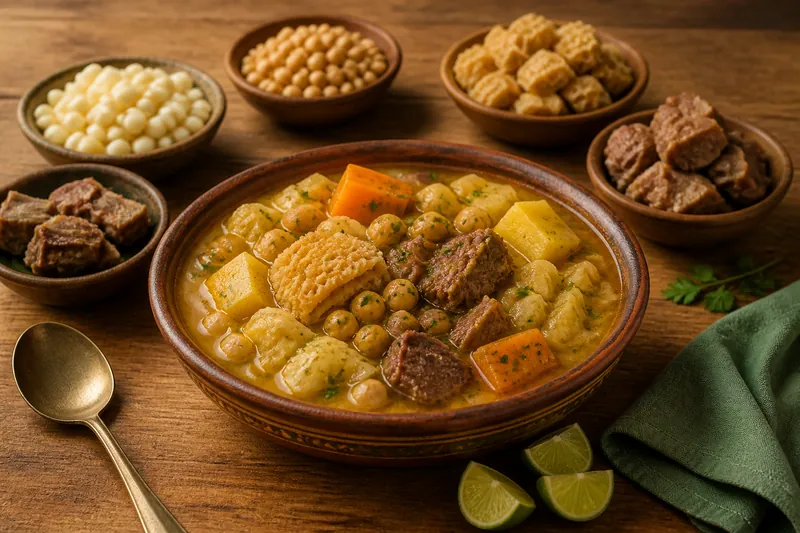 Mute santandereanoColombianOpen the recipe →
Mute santandereano is a substantial stew from Santander built from grains, vegetables, and meat, usually with corn, chickpeas, and pork among its components. It tastes rich, earthy, and layered, with each ingredient holding its place in a thick broth. It is worth cooking when you need a serious meal for many diners, because it produces both soup and stew in one pot. The main thing to know is that the soaking is not optional; plan ahead so the grains soften properly and the stew cooks evenly.
Silky custard for a shared plate
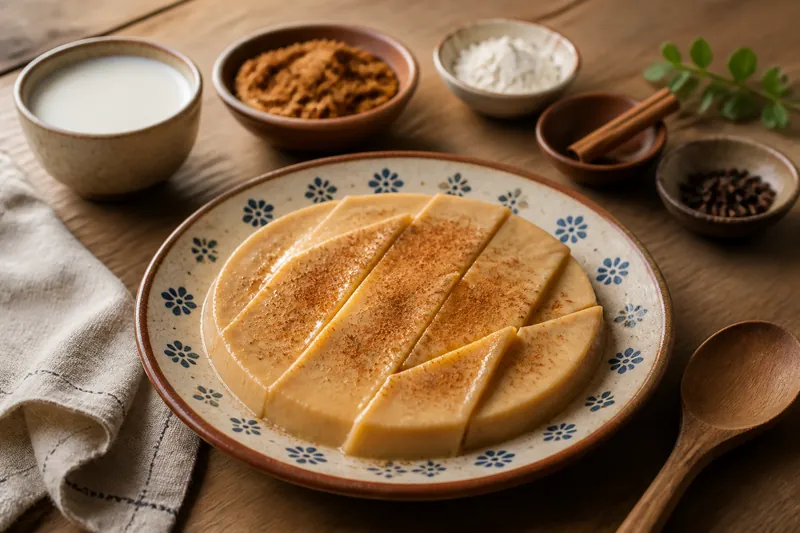 NatillaColombianOpen the recipe →
Natilla is a soft Colombian milk custard, commonly flavored with cinnamon and sometimes panela. It tastes clean, gently sweet, and warmly spiced, with a texture that sets enough to slice or spoon. It is worth making because it scales well for a crowd and is simple to serve in squares. The key is constant stirring. Once the starch goes into the hot milk, the mixture can catch on the bottom fast, so keep it moving until it thickens smoothly and pulls from the pan.
Cheese breads best eaten warm
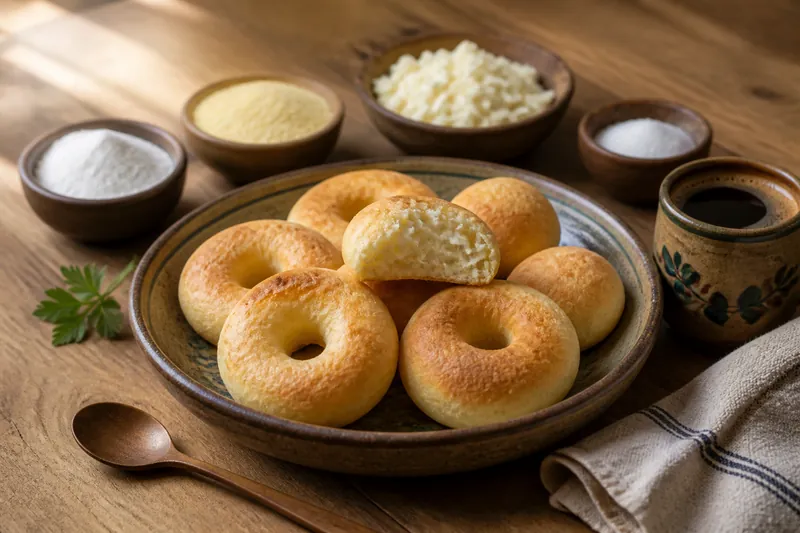 PandebonoColombianOpen the recipe →
Pandebono are small baked breads made with cassava starch, cheese, and egg, known for their light chew and crisp exterior. They taste savory, milky, and faintly tangy, with a satisfying stretch when eaten fresh. They are worth cooking because a tray can serve many people and they disappear quickly from the table. The one thing to know is that the dough is sensitive to balance: too dry and the breads crack, too wet and they spread. Shape them while the dough is still pliable.
These dishes show how Colombian cooking serves a crowd without feeling showy. Some lean on starch and broth, others on milk, coconut, or guava, but all of them are meant to be shared. For a table of six or more, that is the point: food that holds up, yields well, and asks for company.