7 Brazilian dinners under 500 calories
These Brazilian dishes range from seafood stews to corn cakes and sweets, with portion control and smart sides keeping dinner light.
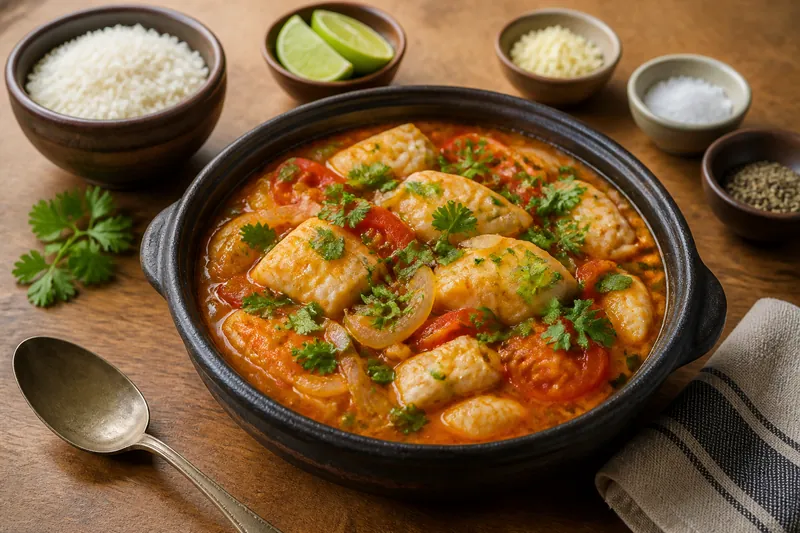
Brazilian cooking has plenty to offer when dinner needs to stay light. Stews, corn-based dishes, and vegetable-rich plates can all feel complete without running past 500 calories.
The dishes here are not diet food in the thin sense. They are practical, satisfying recipes that work best when served in modest portions, with rice, salad, or fruit kept simple.
A light fish stew with clean, bright flavor
Moqueca capixabaBrazilianOpen the recipe →Moqueca capixaba is a gentle seafood stew from Espírito Santo, built from fish, tomatoes, onion, coriander, and a little oil. Unlike richer coastal versions, it stays clear and focused, with the fish doing most of the work. The broth tastes soft, savory, and fresh, with enough body to feel like dinner. It is worth cooking because it gives you a full meal without heavy cream or a long ingredient list. Use firm fish and handle it carefully; once it starts cooking, do not stir hard or it will break apart.
Okra, shrimp, and a steady, savory sauce
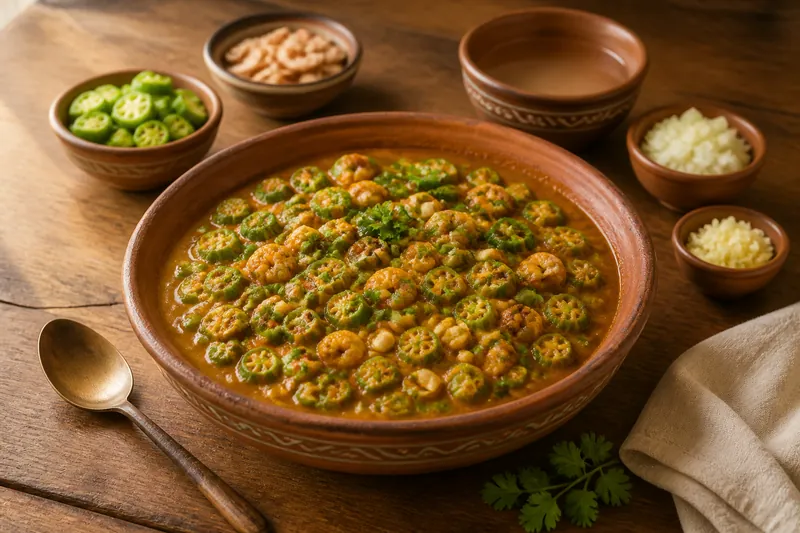 CaruruBrazilianOpen the recipe →
Caruru is an Afro-Brazilian dish of okra cooked down with onion, garlic, peanuts or nuts, and often dried shrimp. It has a thick, earthy texture and a flavor that is deep, salty, and slightly nutty. In a smaller serving, it can anchor a low-calorie dinner, especially with plain rice or farofa kept modest. It is worth making for its texture alone: slippery okra becomes lush rather than slimy when handled well. Cut the okra evenly and cook it long enough to soften; rushing it can leave the dish sharp and raw.
A brothy bowl that eats like a meal
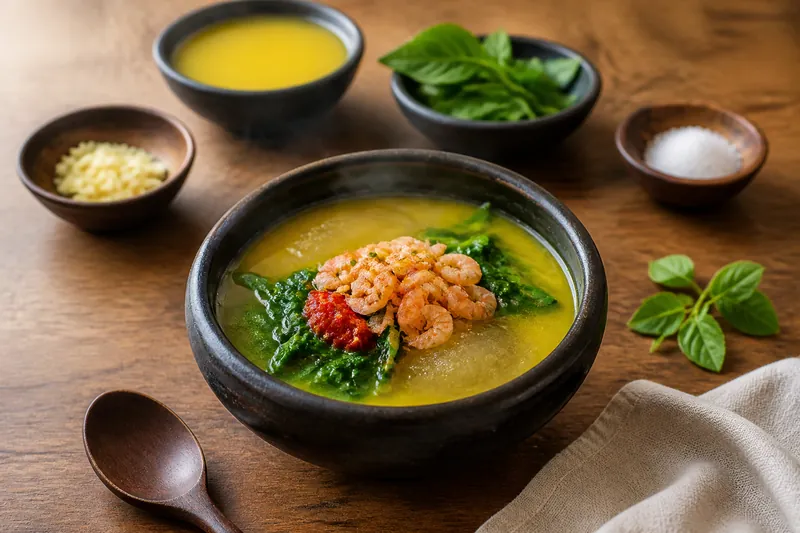 TacacáBrazilianOpen the recipe →
Tacacá is a hot Amazonian bowl of broth, cassava starch, jambu, and shrimp. It is light in calories but not in character: the broth is sour, aromatic, and slightly thickened, while jambu gives a numb, prickling finish that makes each spoonful distinct. It works as dinner when you want something warming that does not rely on fat. It is worth cooking for the contrast of textures and flavors. Know that cassava starch thickens fast, and jambu is central to the dish; without it, the broth loses its signature effect.
Simple corn couscous that takes well to savory toppings
 Cuscuz nordestinoBrazilianOpen the recipe →
Cuscuz nordestino is a steamed cornmeal cake from northeastern Brazil, usually light, tender, and faintly sweet. On its own it is modest, but as a dinner base it works well with eggs, vegetables, or a little cheese, which can still keep the plate under 500 calories. Its appeal lies in its plainness: it is filling without being heavy, and it carries other flavors cleanly. One thing to know is that the cornmeal needs the right amount of hydration before steaming; too dry and it crumbles, too wet and it turns gummy.
A rich custard for a small, measured ending
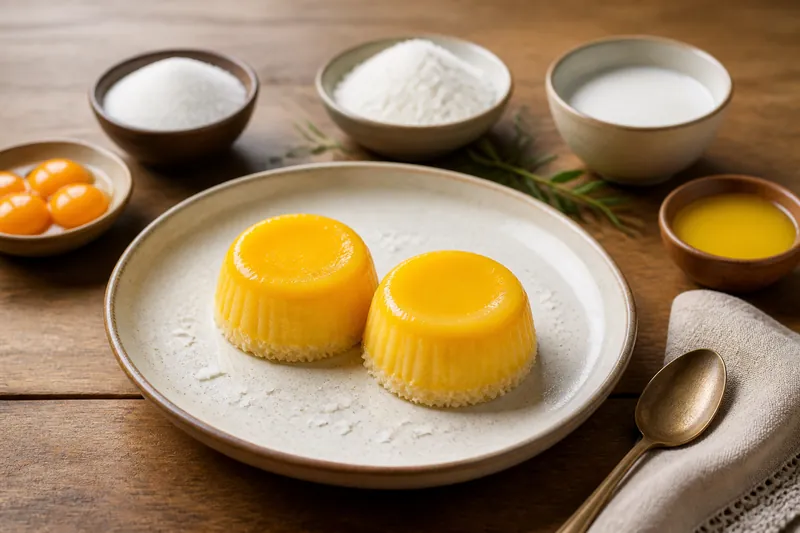 QuindimBrazilianOpen the recipe →
Quindim is a glossy coconut custard made with egg yolks, sugar, and coconut, baked until set and shiny. It is sweet and dense, so it belongs at the end of a meal and in a small portion, which is how it can fit into a lighter dinner plan. The flavor is simple but marked: coconut up front, then a deep, eggy richness. It is worth making when you want a Brazilian dessert that looks precise and tastes familiar. Watch the sugar carefully, because the shine and texture depend on a proper bake, not an undercooked center.
A small truffle that closes the meal neatly
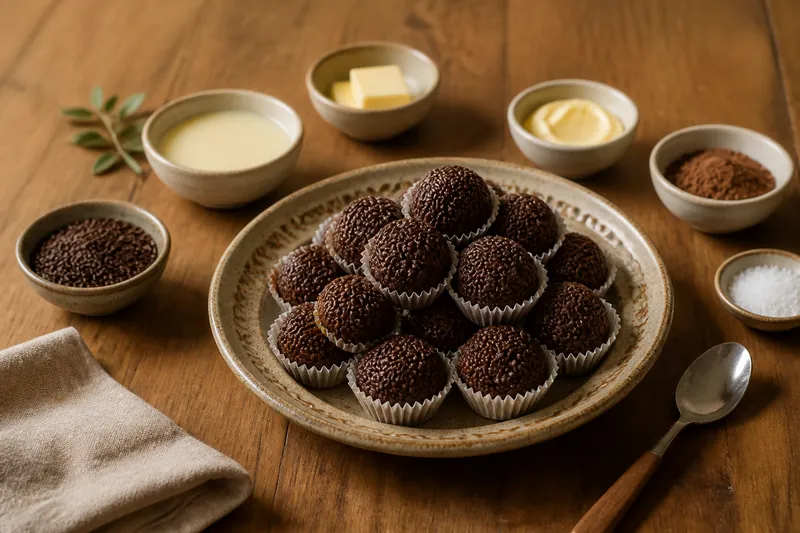 BrigadeiroBrazilianOpen the recipe →
Brigadeiro is a condensed milk chocolate sweet rolled into small balls and coated with sprinkles or chocolate crumbs. It is soft, fudgy, and intensely sweet, which is why it works best as a very small finish after a light dinner. It is one of Brazil’s most familiar sweets, and part of its appeal is how little equipment it needs. For a lower-calorie serving, keep the portion strict and make the balls small. Stir constantly while cooking so the mixture does not catch; brigadeiro can go from smooth to scorched quickly.
Chewy coconut pieces with a brief ingredient list
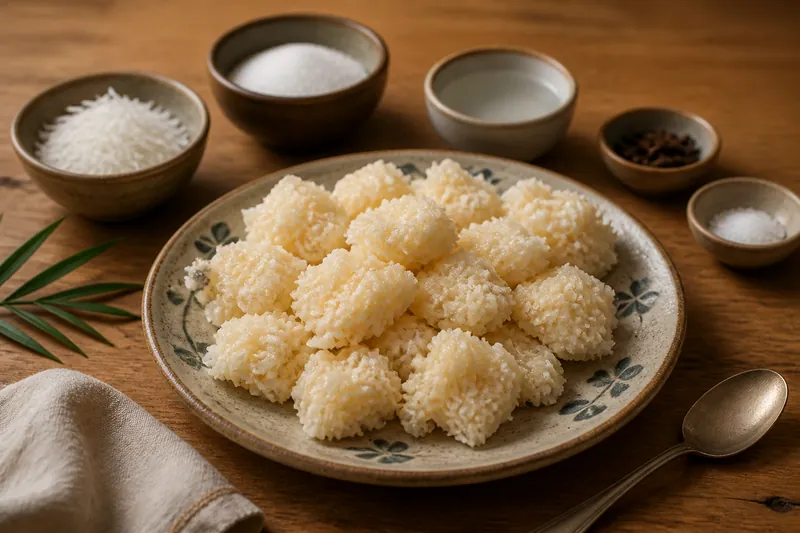 CocadaBrazilianOpen the recipe →
Cocada is a coconut sweet that can be soft or firm depending on how long it cooks. The flavor is direct: toasted coconut, sugar, and sometimes a little dairy or citrus, with a chewy bite that keeps a small portion satisfying. For a dinner that stays under 500 calories, it works as a narrow final treat rather than a large dessert. It is worth cooking because it needs so few ingredients. The main thing to know is that the mixture thickens as it cools, so stop cooking before it seems fully set or it can turn hard.
Kept in sensible portions, these dishes show how Brazilian cooking can stay light without losing character. The stews and steamed cakes work as dinners, while the sweets fit best in small, measured servings after the meal.