10 Malaysian Dishes Worth Cooking at Home
From noodles and rice to sweets and broth, these ten Malaysian dishes show the range and balance of everyday cooking.
Malaysian cooking brings together Malay, Chinese, Indian, and regional influences, but the food reads as one cuisine at the table: layered, aromatic, and generous.
These dishes are some of the best known for a reason. They show how Malaysian cooks build flavor with spice pastes, coconut, tamarind, herbs, and careful texture.
Tamarind noodles with bright fish broth
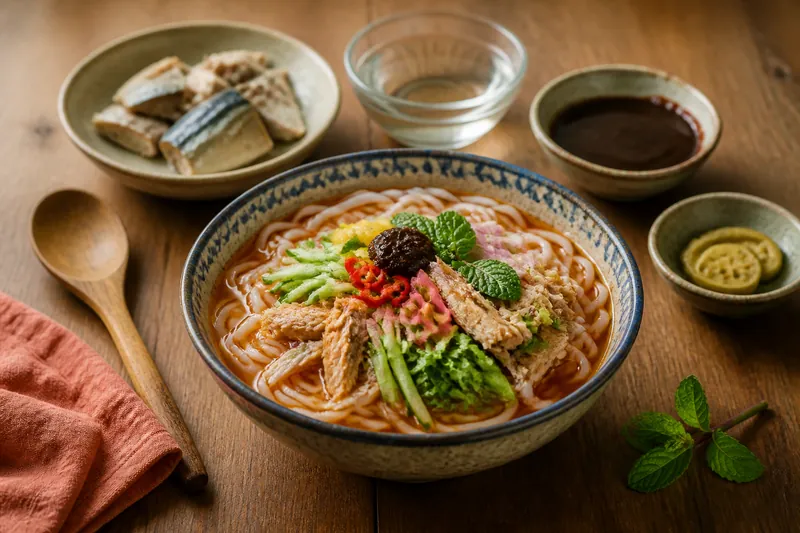
Asam LaksaMalaysianOpen the recipe →Asam laksa is sharp, fishy in the best sense, and deeply fragrant with herbs. The broth comes from mackerel, tamarind, and a paste of chilies and aromatics, then gets lifted with mint, cucumber, onion, and pineapple. The noodles stay slippery against the sour heat. It is one of Malaysia’s most distinctive bowls because it balances richness with acidity so clearly. What to know before starting: the broth matters more than the toppings, so taste it carefully and adjust the sourness and salt before serving.
Wok-fried noodles with smoke and speed
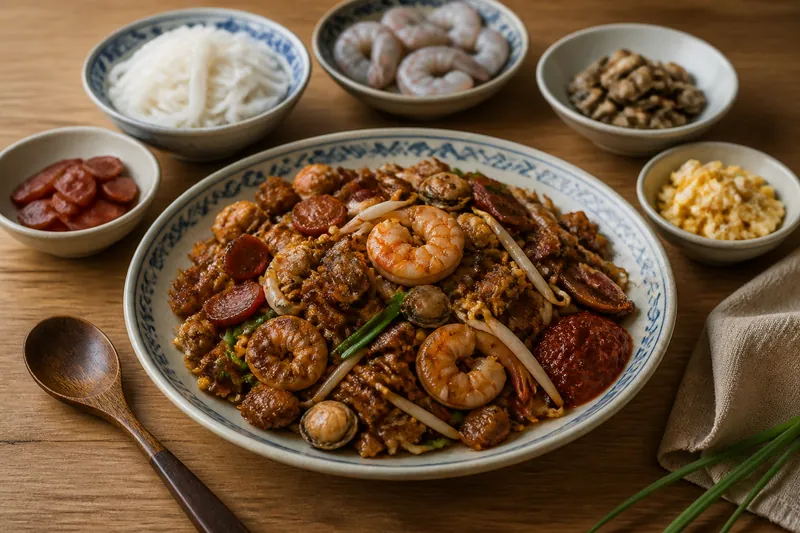 Char Kway TeowMalaysianOpen the recipe →
Char kway teow is a quick stir-fry, but it depends on a very hot wok and brisk movement. Flat rice noodles are tossed with soy sauce, garlic, egg, bean sprouts, chives, and often prawns or Chinese sausage. The best versions have a little char and a glossy, savory finish. It is worth cooking because the flavor seems far bigger than the short ingredient list. What a cook should know: do not overcrowd the pan, or the noodles will steam instead of picking up the wok heat that gives the dish its character.
Slow-cooked beef in a dry spice sauce
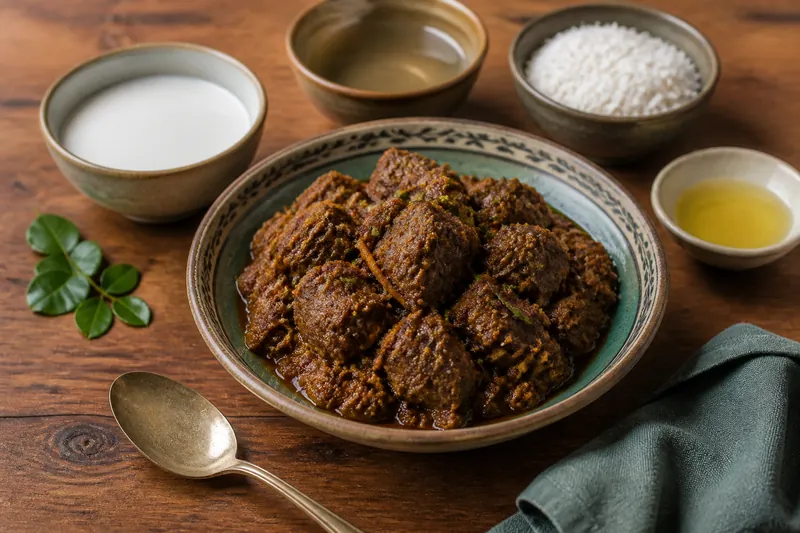 Beef RendangMalaysianOpen the recipe →
Beef rendang is rich, dark, and concentrated, with beef simmered in coconut milk, chilies, lemongrass, galangal, and spices until the liquid cooks down and clings to the meat. The result is tender but not saucy in the usual sense; it is almost dry, with a deep toasted flavor. It is worth the time because the dish develops in layers as it cooks. One thing to know before starting: patience is part of the recipe. The sauce must reduce slowly so the coconut and spices can caramelize without burning.
Shaved ice, coconut milk, and palm sugar
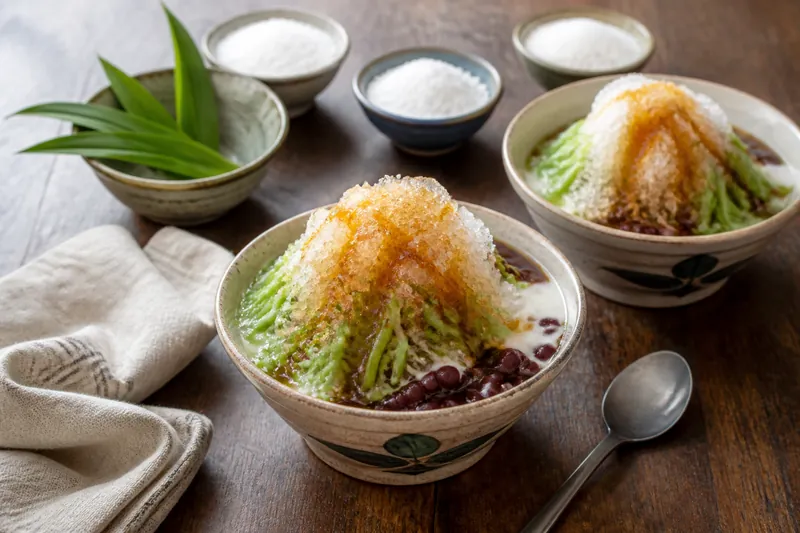 CendolMalaysianOpen the recipe →
Cendol is one of Malaysia’s best-known sweets, built from soft green rice-flour strands, coconut milk, shaved ice, and palm sugar syrup. Some versions add red beans or sweet corn, but the core appeal is the contrast between cold, creamy, and sweet. It is worth making because it is simple and vivid, especially in warm weather. What a cook should know: the palm sugar syrup should be strong enough to stand up to the coconut milk and ice, or the dessert tastes flat. Keep the ice fine and the coconut milk well chilled.
Pork rib soup with pepper and herbs
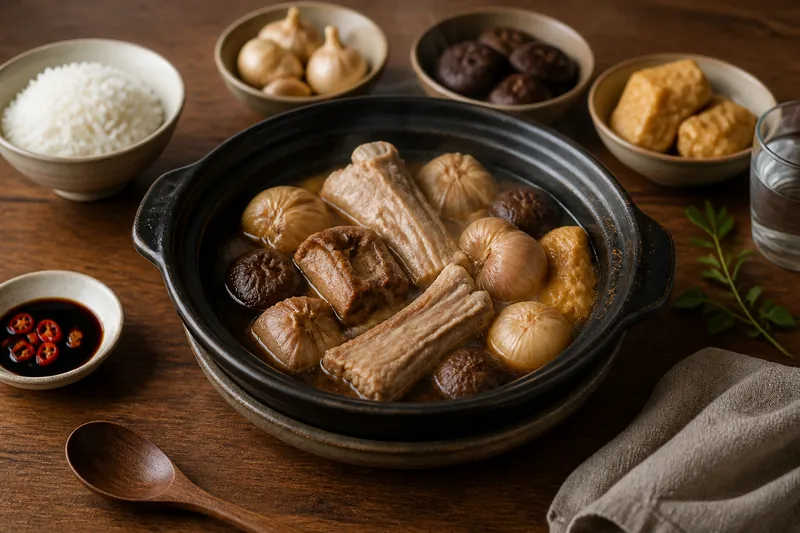 Bak Kut TehMalaysianOpen the recipe →
Bak kut teh is a broth-centered dish of pork ribs simmered with garlic, white pepper, and Chinese herbs until the soup turns round and savory. It is comforting rather than fiery, with a peppery warmth that builds slowly. Served with rice, tofu, or youtiao, it makes a full meal from a pot of fragrant stock. It is worth cooking for the clean depth of the broth and the tenderness of the ribs. What to know: simmer gently. A hard boil can cloud the soup and tighten the meat instead of softening it.
Grilled chicken with spiced coconut glaze
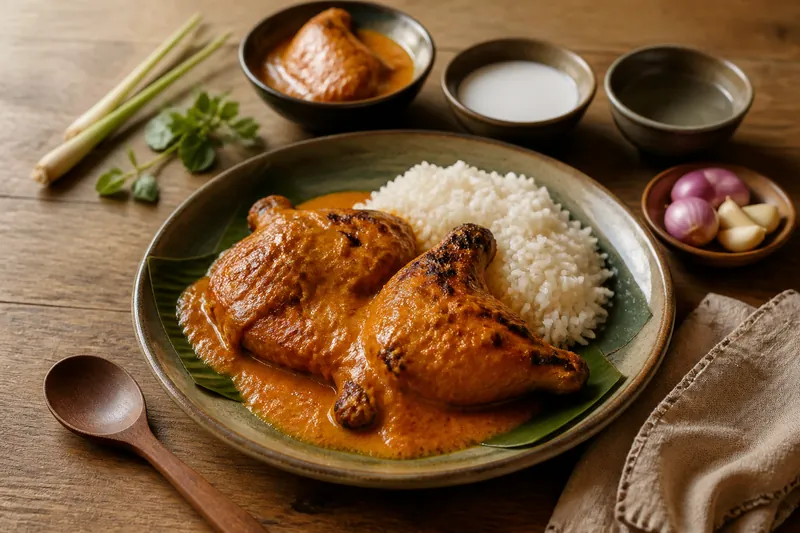 Ayam PercikMalaysianOpen the recipe →
Ayam percik is chicken coated in a coconut-based sauce scented with lemongrass, ginger, chilies, and turmeric, then grilled or roasted until the outside is lightly charred. The sauce is spooned on as it cooks, so it becomes sticky and aromatic rather than creamy. The flavor is warm, smoky, and a little sweet. It is worth making because the method gives a lot of flavor without much fuss. What to know before starting: keep some sauce aside for basting, and cook the chicken through before letting the glaze darken.
A meal built in courses on a leaf
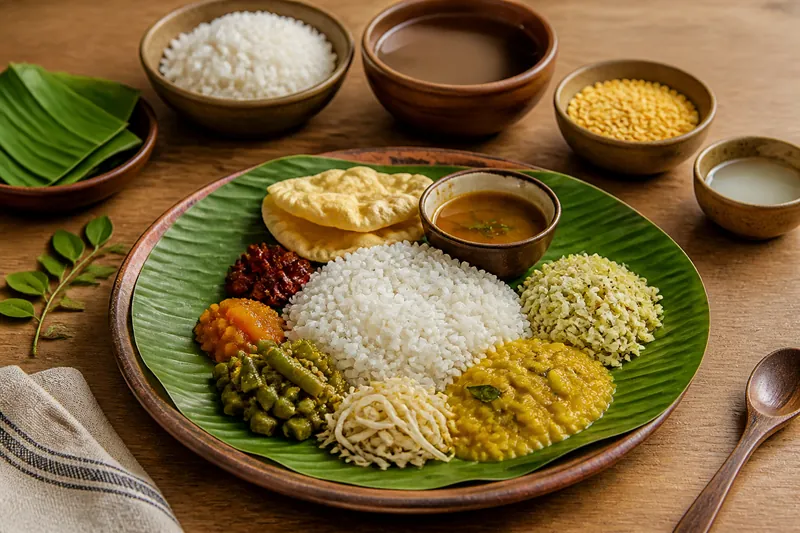 Banana Leaf RiceMalaysianOpen the recipe →
Banana leaf rice is less a single dish than a way of serving a meal. Rice is placed on a banana leaf and surrounded by curries, vegetables, pickles, chutneys, and crisp accompaniments, often with meat or fish. The leaf lends a faint grassy scent and helps hold the meal together. It is worth cooking because the plate becomes a study in contrast: hot and cool, rich and sharp, soft and crisp. One thing to know: all the components should be ready at once, since the dish depends on balance and timing more than on one centerpiece.
Shaved ice with beans, jelly, and syrup
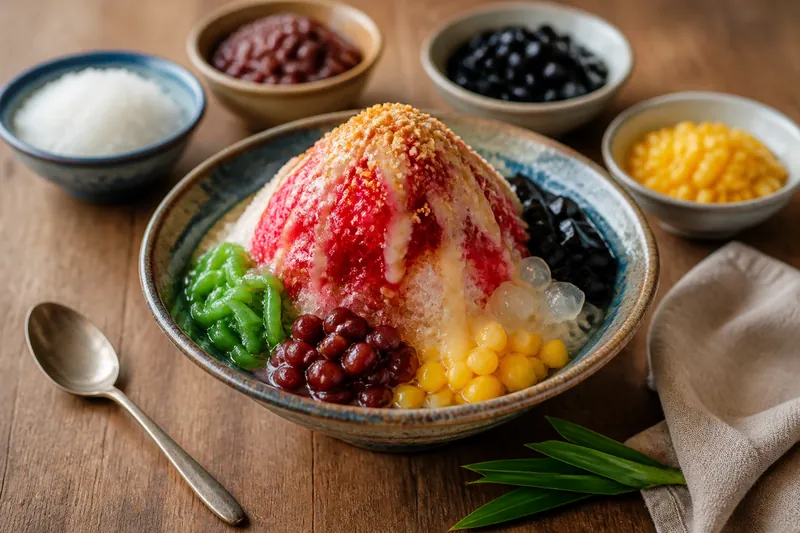 Ais KacangMalaysianOpen the recipe →
Ais kacang is a layered dessert of shaved ice, sweet syrups, condensed milk, and toppings such as red beans, grass jelly, and sweet corn. It can sound unlikely, but the mix works because every spoonful brings cold, creamy, chewy, and sweet elements together. It is worth making for the texture alone. What a cook should know: the ice must be very fine, since coarse ice will not catch the syrup well. Build it quickly and serve immediately so the toppings do not sink before the first spoonful.
Noodles in a coconut curry broth
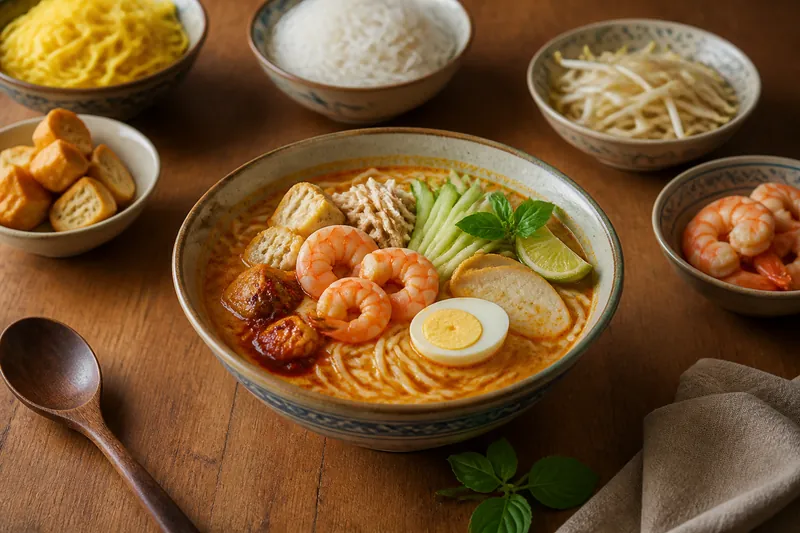 Curry LaksaMalaysianOpen the recipe →
Curry laksa is a rich noodle soup with a coconut-based curry broth, often finished with tofu puffs, prawns, chicken, egg, and bean sprouts. Compared with asam laksa, it is softer and rounder in flavor, with heat and creaminess carrying the dish. It is worth cooking because the broth can be as bold or as mild as you want, while the toppings make it feel complete. What to know: do not let the coconut milk boil hard for long, or it can split. Keep the broth at a steady simmer once it is seasoned.
Raw fish salad with lime and aromatics
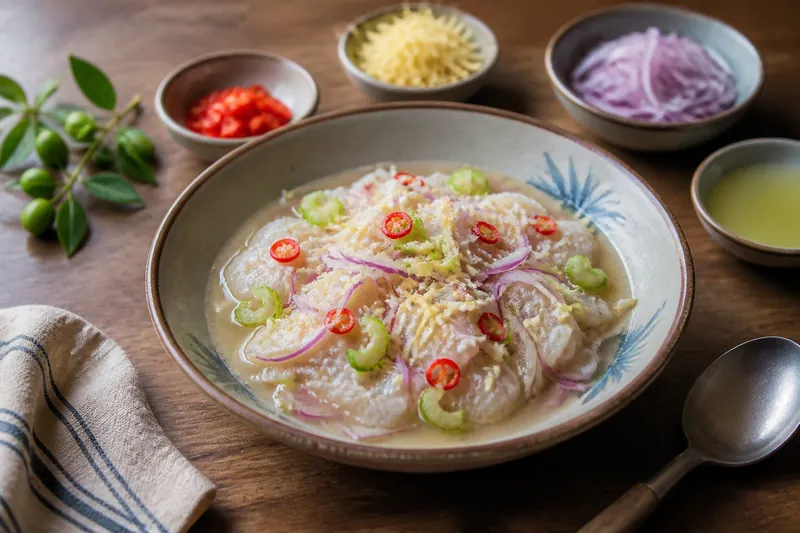 HinavaMalaysianOpen the recipe →
Hinava is a fresh fish dish from Sabah, made by curing raw fish with lime juice and mixing it with shallots, ginger, chilies, and grated seeds or other local aromatics. The texture stays clean and delicate, while the flavor is bright, sharp, and a little sweet from the aromatics. It is worth knowing because it shows another side of Malaysian cooking, one that relies on freshness rather than heat or long simmering. What a cook should know: use very fresh fish and keep everything cold, since there is no cooking step to soften the edges.
Taken together, these dishes show how Malaysian cooking moves between broths, grills, curries, sweets, and salads without losing its sense of balance. Sour, sweet, hot, and rich often appear in the same meal, and that range is part of the cuisine’s strength.