10 Kenyan Dishes to Cook, from Pilau to Kaimati
These ten Kenyan dishes show the range of the kitchen, from spiced rice and stews to snacks, relishes, and sweets.
Kenyan cooking moves between coast, highlands, and city streets with ease. Some dishes are built for a shared table, others for tea, market snacking, or a celebratory meal.
What links them is plain seasoning, patient cooking where it matters, and a strong sense of balance. These are the dishes people learn first, remember longest, and cook again when they want food with clear flavor and no fuss.
Fresh salad for the side of the plate
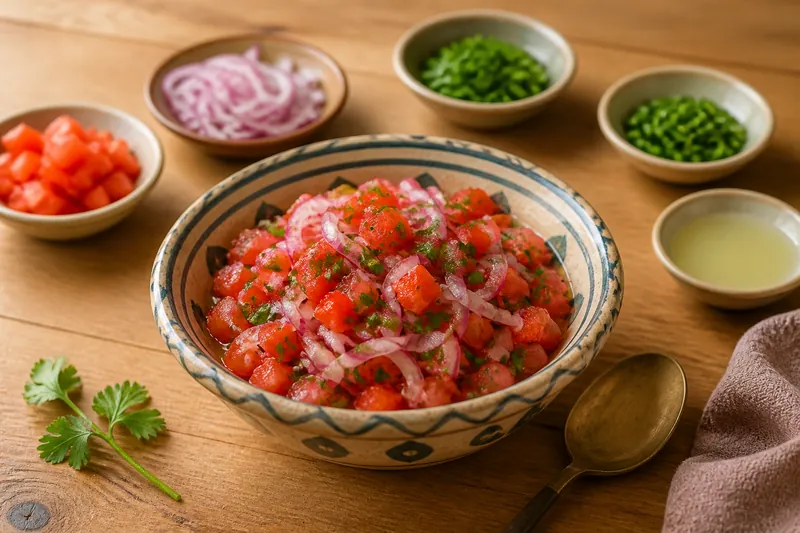
KachumbariKenyanOpen the recipe →Kachumbari is a sharp, fresh tomato and onion salad, usually brightened with chilli, coriander, and a squeeze of lemon or lime. It brings crunch and acidity to richer dishes such as pilau, grilled meat, or stews. The flavor is clean and direct, with enough bite to cut through oil and spice. It is worth cooking because it wakes up the whole meal in minutes. The main thing to know is that the onions should be sliced as thinly as possible, then salted or rinsed briefly if they taste too harsh.
Spiced rice with depth and warmth
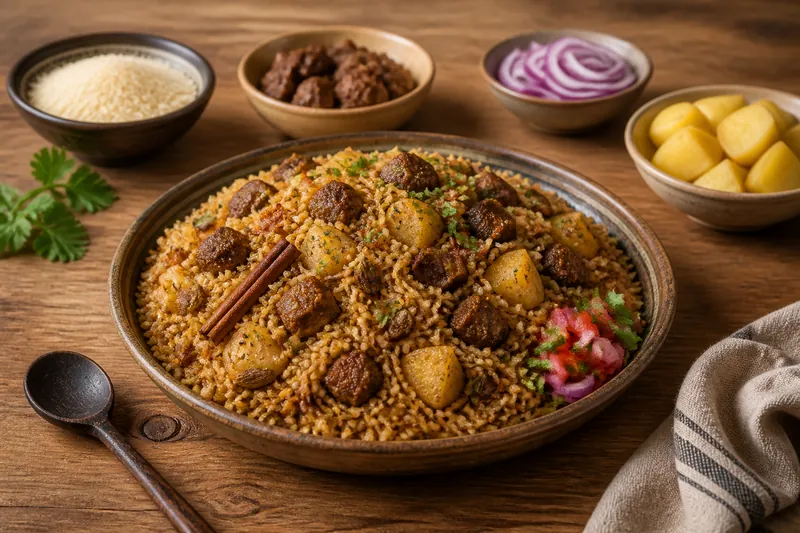 Kenyan Beef PilauKenyanOpen the recipe →
Kenyan Beef Pilau is a fragrant one-pot rice dish built on browned beef, onions, garlic, ginger, and warm spices such as cumin, cloves, cinnamon, and cardamom. The rice takes on a deep brown color and a savory, gently sweet aroma. It is one of the most loved Kenyan dishes because it feels festive but cooks from familiar ingredients. The key thing to know is that the onions need real color before the rice goes in; that browning gives pilau its characteristic depth and keeps it from tasting flat.
Soft, layered flatbread for scooping
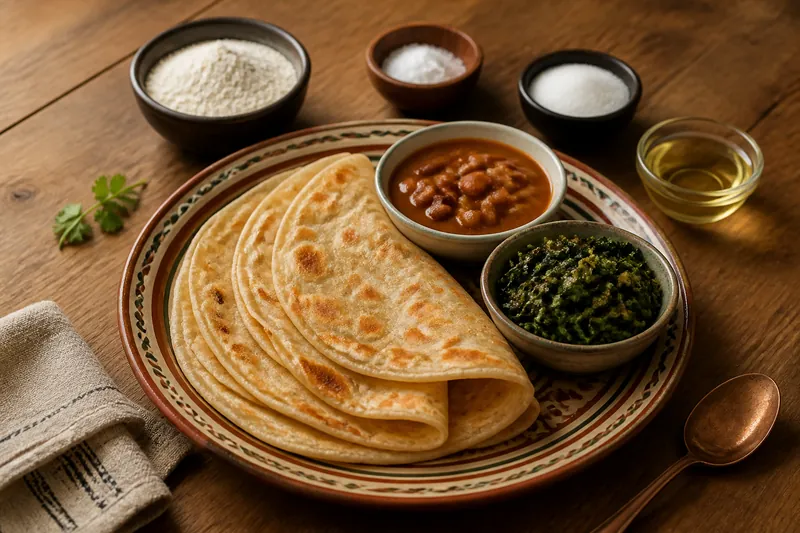 Kenyan ChapatiKenyanOpen the recipe →
Kenyan Chapati is a pan-cooked flatbread with soft layers and a little chew. It is richer than a plain roti, often made with oil folded into the dough, then rolled and cooked until speckled and tender. It tastes mild on its own, which makes it useful beside beans, stews, cabbage, or tea. It is worth making because fresh chapati changes the whole meal. One thing to know before starting is that the dough needs time to rest; without that, it can be hard to roll and less likely to layer well.
Chicken in coconut, spice, and smoke
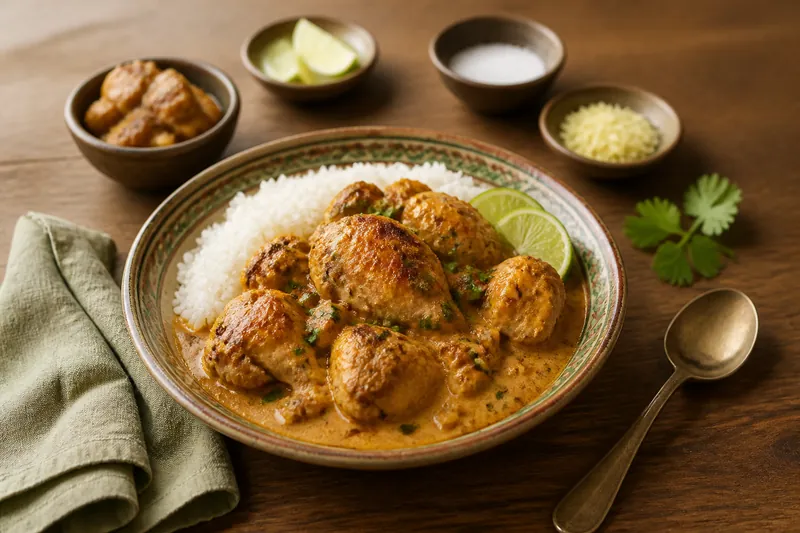 Kuku PakaKenyanOpen the recipe →
Kuku Paka is chicken simmered in a coconut milk sauce with ginger, garlic, chilli, and spices, often with a trace of char from grilling or roasting first. The sauce is rich and rounded, with heat, sweetness, and a gentle coastal perfume. It is worth cooking because it gives you a dish that feels both comforting and layered. The important thing to know is that the chicken should be browned well before the coconut milk goes in; that first step builds flavor and keeps the sauce from tasting one-dimensional.
Crisp pastries with a spiced meat filling
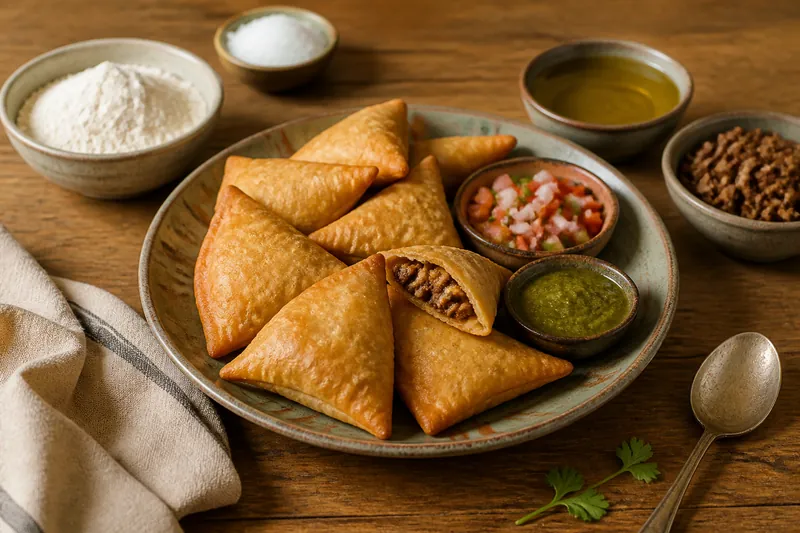 Kenyan Beef SamosaKenyanOpen the recipe →
Kenyan Beef Samosa are triangular pastries filled with seasoned minced beef, onion, garlic, and warm spices, then fried until crisp and golden. They are savory, compact, and good hot or warm, with a filling that is juicy but not wet. They are worth making for snacks, gatherings, or a starter with chutney. The main thing to know is that the filling should be cooled before wrapping; if it is warm, it can soften the pastry and make sealing difficult.
Crisp slices with a light spiced coating
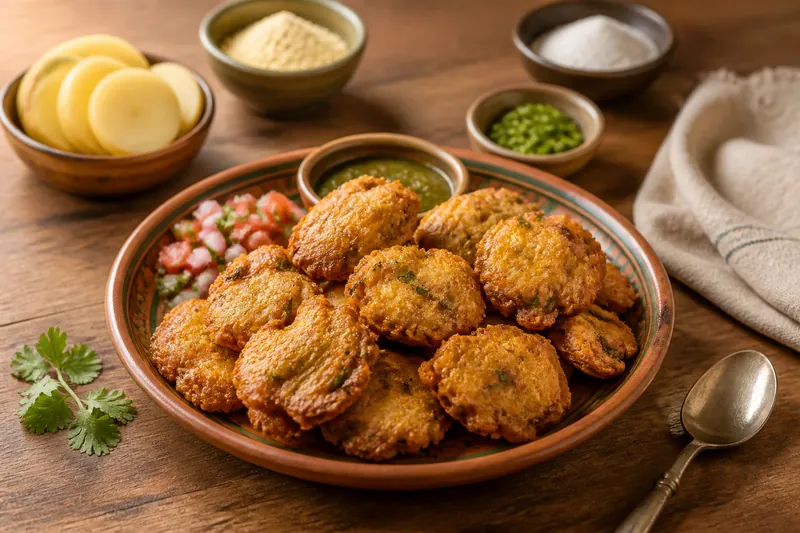 Kenyan Potato BhajiaKenyanOpen the recipe →
Kenyan Potato Bhajia are thin potato slices coated in a spiced batter and fried until crisp at the edges and soft in the middle. They are often served as street food or an evening snack, with a light heat from chilli and a savory note from cumin or turmeric. They are worth cooking because they are simple and satisfying, especially with chutney or kachumbari. One thing to know is that the oil must be hot enough before frying; if it is not, the batter absorbs too much oil and turns heavy.
Maize and beans cooked until complete
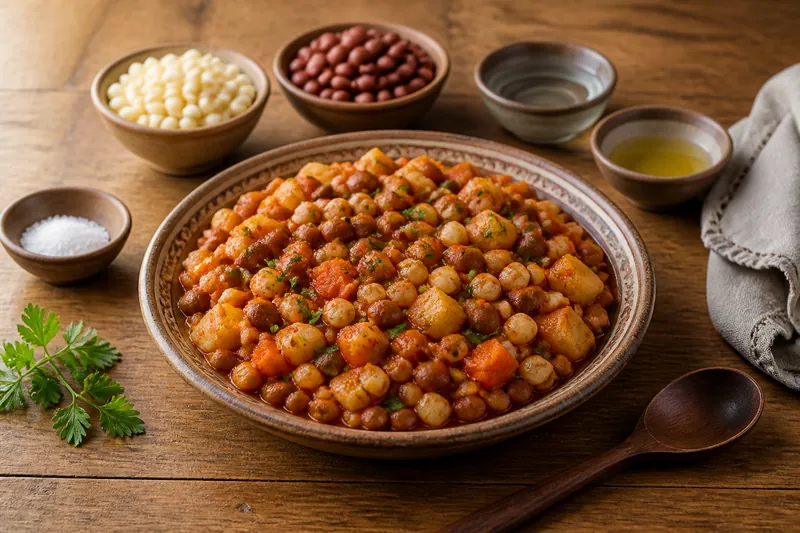 GitheriKenyanOpen the recipe →
Githeri is a humble, filling dish of maize and beans cooked together until tender, often with onions, tomatoes, and sometimes potatoes or spices added for more flavor. It tastes earthy, starchy, and quietly rich, the kind of food that sustains a household rather than showing off. It is worth cooking because it is practical, economical, and deeply rooted in everyday Kenyan food. The one thing to know is that dried beans need soaking and steady simmering; shortcuts can leave the grainy texture that makes githeri less satisfying.
Sweet coconut or peanut candy
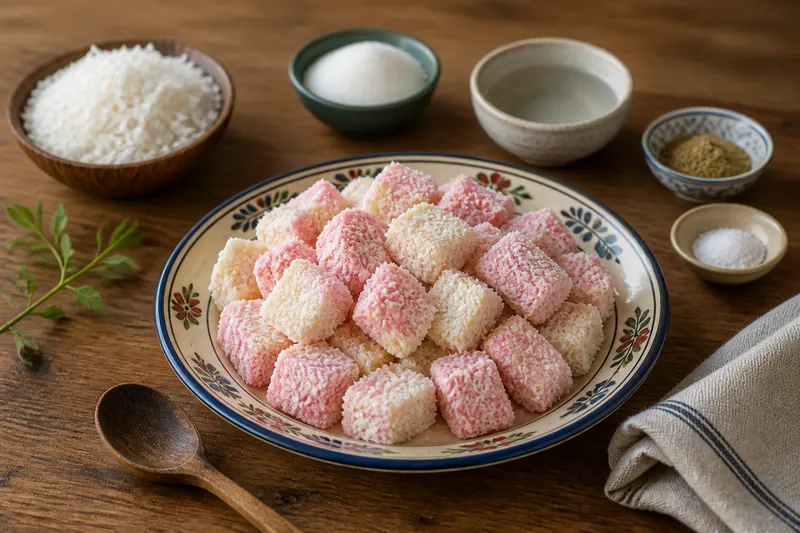 KashataKenyanOpen the recipe →
Kashata is a small sweet made by cooking sugar with coconut or peanuts until the mixture binds and sets into chewy or crunchy pieces. It tastes caramelized, nutty, and lightly toasted, with a straightforward sweetness that works well with tea. It is worth making because it keeps well and needs little more than careful timing. The important thing to know is that the sugar stage matters; if you stop too soon, the mixture stays sticky, and if you cook too far, it can turn hard and bitter.
Layered rice with chicken and spice
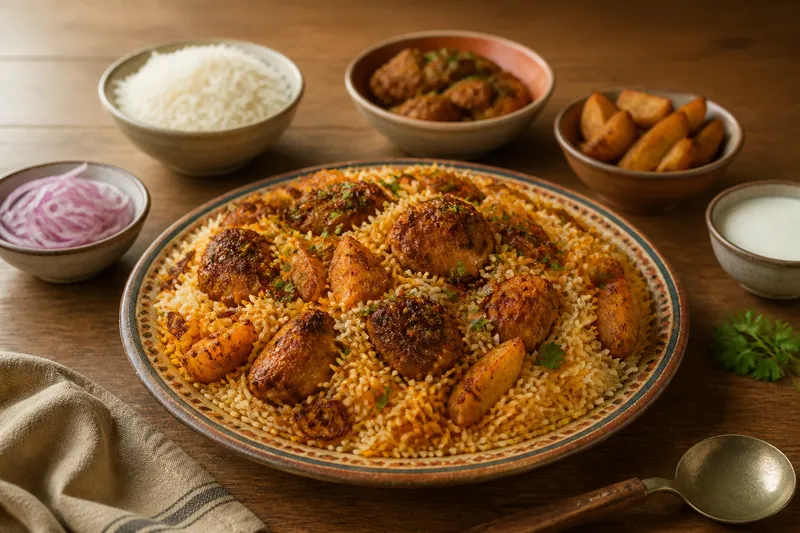 Kenyan Chicken BiryaniKenyanOpen the recipe →
Kenyan Chicken Biryani is a layered rice dish with chicken, onions, spices, and a fragrant sauce that soaks into the grains as they cook. It is more elaborate than pilau, with a softer, more layered finish and a stronger sense of occasion. The taste is aromatic, savory, and rounded by tomato, yogurt, or stock depending on the version. It is worth cooking when you want a main dish that feeds a table well. One thing to know is that the rice should be only partly cooked before layering, so it finishes gently without turning mushy.
Small fried dough bites in syrup
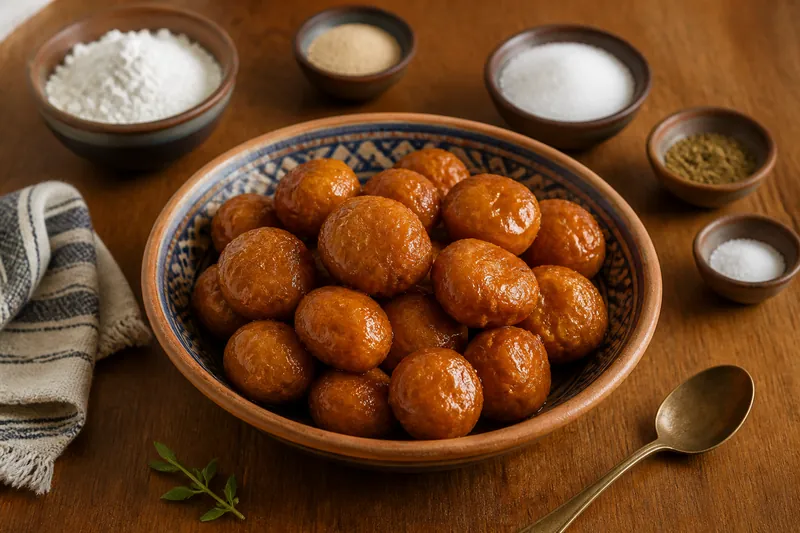 KaimatiKenyanOpen the recipe →
Kaimati are small rounds of yeasted dough fried until golden, then coated in syrup. They are soft inside, crisp at first bite, and sweet without being heavy. The flavor is simple, with a gentle yeastiness under the sugar, and they are often eaten as a snack or dessert with tea. They are worth making because they are modest but memorable. The main thing to know is that the dough needs time to rise properly; if it is rushed, the bites can end up dense rather than light.
Taken together, these dishes show how Kenyan cooking can be fresh, spiced, fried, stewed, and sweet without losing its plainspoken character. Start with the ones that suit your table, then work outward. The patterns are clear, and the cooking is generous.