10 Best-Known Italian Dishes to Cook at Home
From pasta and risotto to pizza and dessert, these ten Italian dishes show the country’s range, from simple sauces to slow-cooked comfort.

Italian cooking is known for restraint. Good oil, ripe tomatoes, cheese, herbs, rice, pasta, and careful timing do most of the work.
The dishes below are among the best known for a reason. Some are quick, some need patience, and each one shows a different side of the same tradition.
The plain pizza that sets the standard
Classic Pizza MargheritaItalianOpen the recipe →Pizza Margherita is the clearest form of Italian pizza: a thin base, tomato, mozzarella, basil, and olive oil. It tastes bright and direct, with a crisp crust and a soft, milky top. The balance matters more than abundance, which is why it is worth making at home. A good Margherita shows how much flavour comes from dough and heat alone. Before starting, make sure the oven is as hot as it can get; this pizza depends on strong heat for a proper base and melted cheese.
Pasta coated in egg, cheese, and pepper
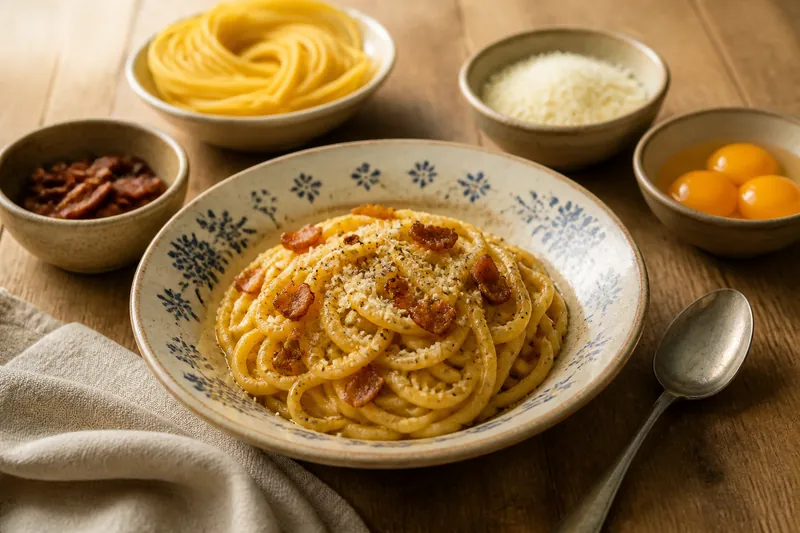 Authentic Spaghetti CarbonaraItalianOpen the recipe →
Carbonara is rich without being heavy when it is made well. Spaghetti is tossed with egg, hard cheese, cured pork, and plenty of black pepper, forming a glossy sauce with a salty, savoury taste. There is no cream in the classic version, which keeps the flavour clean and sharp. It is worth cooking because it is quick, satisfying, and teaches control at the stove. One thing to know before starting: the pasta water and the heat from the pan must be managed carefully so the egg thickens into sauce, not scrambled egg.
A soft, chilled dessert with coffee and cream
 Traditional TiramisuItalianOpen the recipe →
Tiramisu is layered dessert with coffee-soaked biscuits, mascarpone cream, and cocoa on top. It tastes bittersweet, milky, and slightly boozy when alcohol is used, with a soft texture that needs chilling to set properly. It is worth making because it needs no oven and improves as it rests. The best versions are light, not dense, and carry enough coffee to balance the sweetness. One thing to know before starting: the biscuits should be dipped quickly, not soaked, or the layers will collapse into a heavy pudding.
Layered pasta baked until rich and tender
 Classic Lasagna alla BologneseItalianOpen the recipe →
Lasagna alla Bolognese is a slow, layered dish built from meat ragù, pasta sheets, béchamel, and cheese. It tastes deep and comforting, with savoury sauce, creamy white sauce, and a browned top. The long cooking time is part of its appeal, because the flavours meld and the texture becomes soft and cohesive. It is worth cooking when you want a dish that feeds many and holds well at the table. Before starting, keep the sauce and béchamel smooth and not too wet, so the layers bake neatly rather than slide apart.
Olive-oil bread with a soft crumb and crisp crust
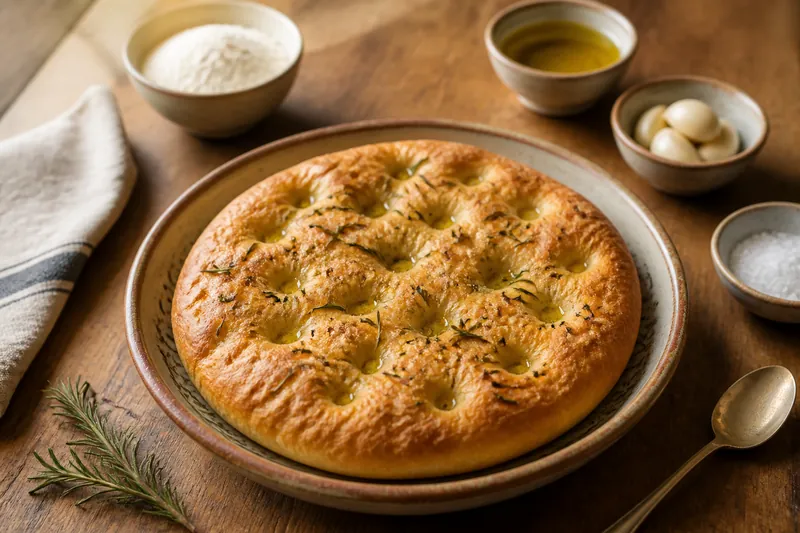 Rustic Garlic Focaccia BreadItalianOpen the recipe →
Focaccia is one of the simplest breads to love: airy inside, golden outside, and scented with garlic and olive oil. The taste is savoury and rounded, with salt on the surface and a soft chew in the crumb. It is worth baking because it works as bread, snack, or sandwich base, and it rewards a little patience. The dough needs time to rise properly, even though the ingredients are few. Before starting, do not skip the generous oiling of the pan; it gives the bread its crust and prevents sticking.
Baked aubergine in tomato and cheese
 Melanzane alla ParmigianaItalianOpen the recipe →
Melanzane alla Parmigiana layers fried or baked aubergine with tomato sauce, cheese, and sometimes basil. The taste is soft, savoury, and lightly sweet from the tomatoes, with the aubergine turning tender rather than meaty. It is worth making because it is satisfying without meat and improves as the flavours settle. The dish is common across home kitchens and has the kind of comfort that comes from simple ingredients handled well. Before starting, salt the aubergine if needed and cook off excess moisture, or the finished bake can turn watery.
Rice cooked slowly to a soft, saucy finish
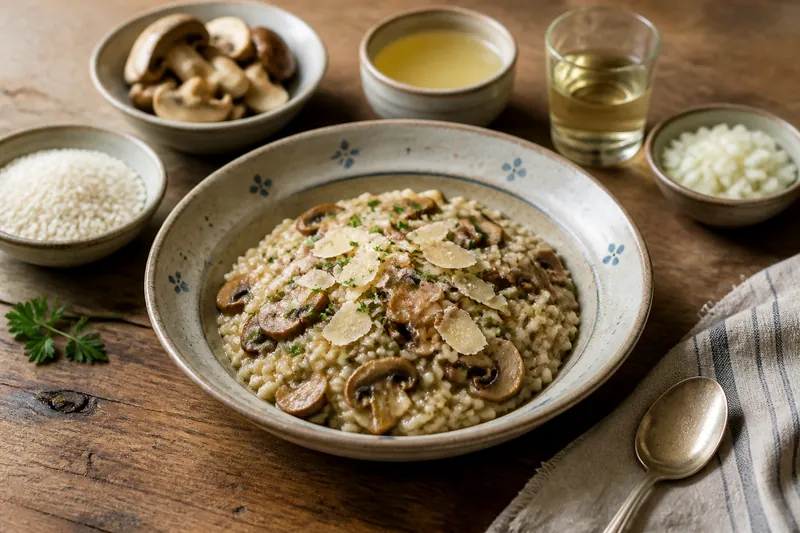 Creamy Mushroom RisottoItalianOpen the recipe →
Creamy mushroom risotto is a steady-cooked rice dish with a silkier texture than most people expect. The mushrooms bring earthiness, while the rice turns rich and loose as stock is added little by little. It tastes warm, savoury, and mellow, with cheese finishing the dish. It is worth cooking because it teaches attention and gives back a very fine texture. Before starting, keep the stock hot and add it gradually; cold liquid slows the rice and makes it harder to reach the proper creaminess.
Porcini risotto with a deeper woodland flavour
 Risotto ai Funghi PorciniItalianOpen the recipe →
Risotto ai Funghi Porcini is built around the strong, nutty flavour of porcini mushrooms. Dried porcini are often used for their concentrated aroma, and they give the rice a deeper, more autumnal taste than ordinary mushrooms alone. The finished dish is creamy, fragrant, and full of savoury depth. It is worth making when you want something elegant without being elaborate. Before starting, soak dried porcini carefully and keep the soaking liquid clean; it adds flavour, but any grit will spoil the texture.
Short pasta with basil, pine nuts, and cheese
 Trofie al Pesto GenoveseItalianOpen the recipe →
Trofie al Pesto Genovese comes from Liguria and pairs twisted pasta with basil pesto, potatoes, and often green beans. The flavour is bright, herbal, garlicky, and rounded by cheese and nuts. The shape matters because trofie catches the sauce in its folds. It is worth cooking because it feels fresh and complete without much fuss. Before starting, make the pesto carefully and do not overheat it; basil loses its colour and fragrance if it is cooked too hard after mixing with the pasta.
Rice balls with a crisp shell and soft centre
 Sicilian AranciniItalianOpen the recipe →
Sicilian Arancini are fried rice balls, usually filled with ragù, cheese, or both, then coated and cooked until crisp. They taste savoury, creamy inside, and deeply satisfying once the shell gives way. They are worth making because they turn leftover-style rice into a proper dish and show how Italian cooking handles texture as much as flavour. The contrast between crust and filling is the point. Before starting, make sure the rice is fully cooled and firm enough to shape, or the arancini will be difficult to form and may break during frying.
These dishes cover much of what people mean when they think of Italian food: pizza, pasta, risotto, baked casseroles, bread, and dessert. Each one depends on simple ingredients, but only when they are handled with care, heat, and patience.