10 Best-Known Chinese Dishes to Cook at Home
From fried rice to steamed fish, these familiar Chinese dishes show the range of the cooking, with clear flavors and practical methods.
Chinese cooking is broad, regional, and exacting, but a few dishes have traveled widely because they are both distinctive and approachable. They rely on balance: salty with sweet, hot with fragrant, crisp with tender.
The dishes below are among the best known for a reason. Some are quick weekday food, others depend on marinating or careful heat control, but all reward attention to texture, seasoning, and timing.
The simplest fried rice
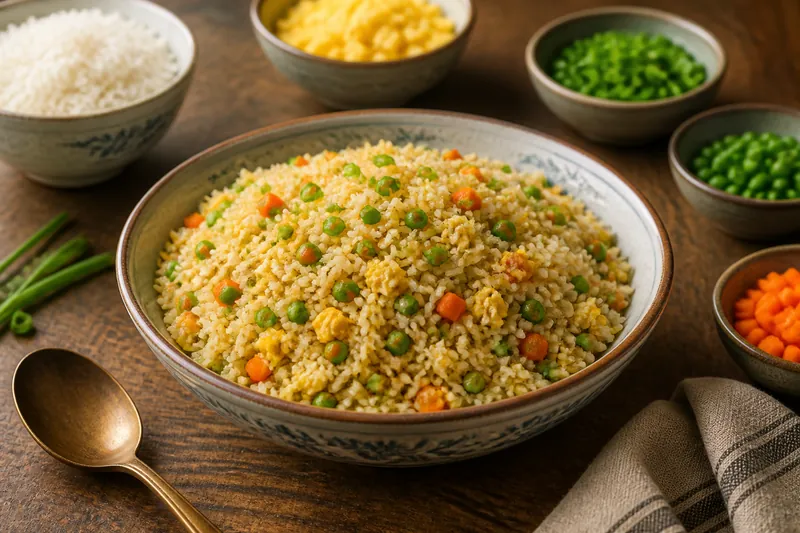
Classic Egg Fried RiceChineseOpen the recipe →Egg fried rice is plain in the best way: fluffy rice, softly set egg, a little scallion, and soy sauce for seasoning. The taste is savory and clean, with the rice grains kept separate rather than clumped. It is worth cooking because it turns leftovers into a meal in minutes and teaches the basic discipline of stir-frying. The main thing to know is that cold, day-old rice works best; fresh rice tends to steam and turn sticky in the pan.
A richer fried rice with many parts
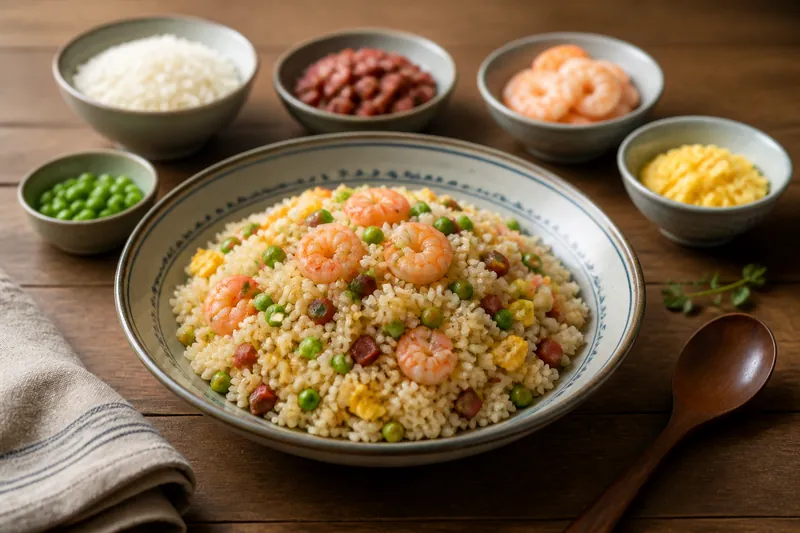 Yangchow Fried RiceChineseOpen the recipe →
Yangchow fried rice is more elaborate than plain egg fried rice, with shrimp, ham or roast pork, peas, and egg folded through lightly seasoned rice. It tastes fuller and more varied, with each ingredient adding a different texture and a little sweetness or salt. It is worth making when you want fried rice that feels complete without being heavy. The cook should keep every component ready before heating the wok, because the final stir-fry moves quickly and overcooking makes the rice dull.
Crisp pork in bright sauce
 Sweet and Sour PorkChineseOpen the recipe →
Sweet and sour pork is known for its contrast: crisp-fried pork pieces coated in a glossy sauce that is both tart and sweet, often with bell pepper and pineapple. The flavor is bold and direct, with a sticky finish that clings to each bite. It is worth cooking because the dish shows how Chinese takeout flavors can be made with care at home. The important point is to fry the pork hot enough to stay crisp, then toss it with the sauce only at the end so it does not soften too soon.
Hot, salty, and sharply fragrant
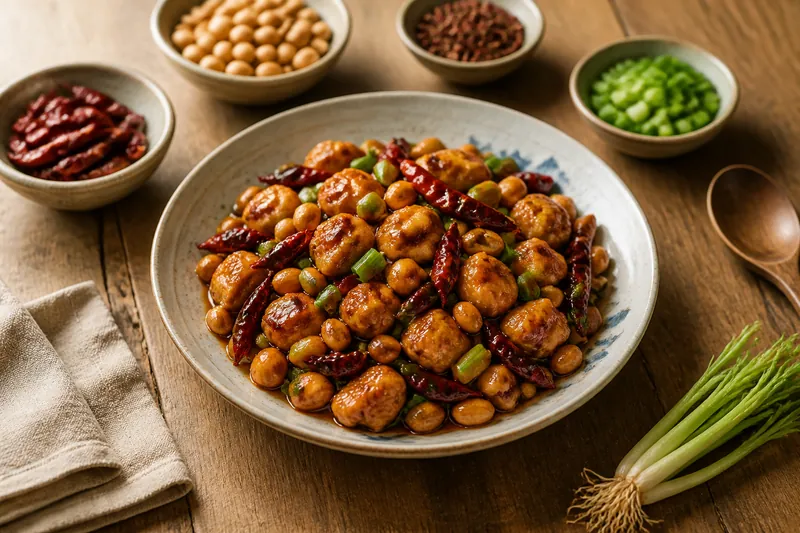 Kung Pao ChickenChineseOpen the recipe →
Kung Pao Chicken balances diced chicken, dried chiles, peanuts, and a savory sauce with a little sugar and vinegar. It tastes hot and lively, with the peanuts giving crunch and the chiles adding perfume as much as heat. It is worth cooking because it is one of the clearest examples of Sichuan-style balance in a quick stir-fry. A cook should not overcrowd the pan, and should have the sauce mixed before starting, since the chicken cooks fast and the flavor depends on quick, even browning.
Silken tofu with deep heat
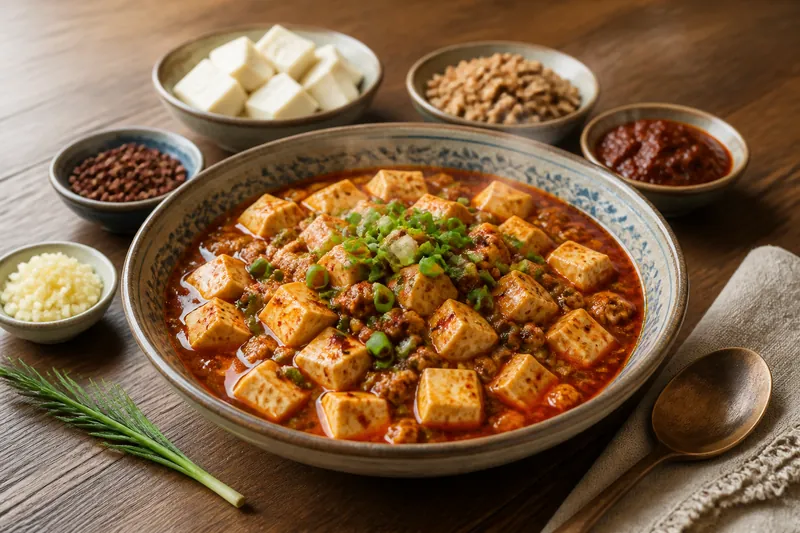 Mapo TofuChineseOpen the recipe →
Mapo tofu is soft tofu in a sauce of minced meat, fermented bean paste, chile oil, and Sichuan pepper. It tastes rich, numbing, and spicy, with the tofu acting as a delicate carrier for a strongly seasoned sauce. It is worth cooking because it gives a lot of flavor without needing much meat, and the texture contrast is part of the appeal. The key thing to know is to handle the tofu gently; once it is in the sauce, stir with care so the cubes stay intact.
Noodles with sesame, chile, and pork
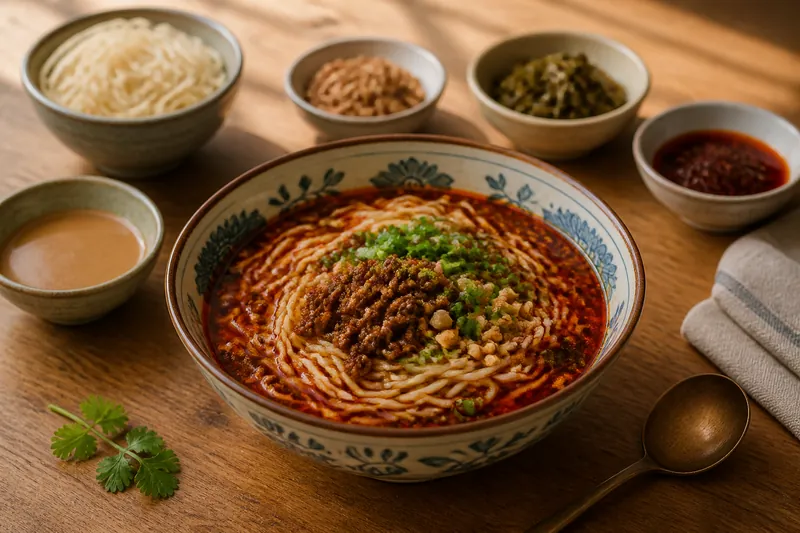 Sichuan Dan Dan NoodlesChineseOpen the recipe →
Sichuan Dan Dan Noodles are small in portion but intense in flavor, with wheat noodles topped with minced pork, chili oil, sesame, and often preserved vegetables. The taste is nutty, spicy, and savory, with enough acidity or saltiness to keep it sharp rather than heavy. It is worth cooking because the bowl shows how much character a few pantry ingredients can carry. The cook should season carefully and toss the noodles just before serving, since the sauce is strongest when the noodles are still supple and warm.
A mild, reliable stir-fry
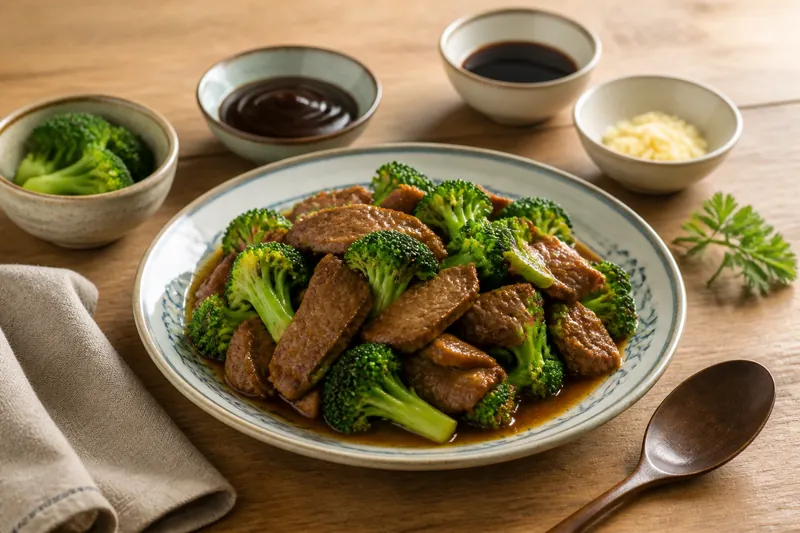 Beef and BroccoliChineseOpen the recipe →
Beef and broccoli is a Cantonese-American staple: sliced beef, bright green broccoli, and a garlicky brown sauce that is savory rather than spicy. It tastes balanced and familiar, with the beef kept tender by a short marinade and the broccoli adding freshness and bite. It is worth cooking because it is straightforward, satisfying, and works well over rice. The cook should slice the beef thinly against the grain and cook the broccoli only until just tender, so both stay pleasant in the finished dish.
Beef with a peppery edge
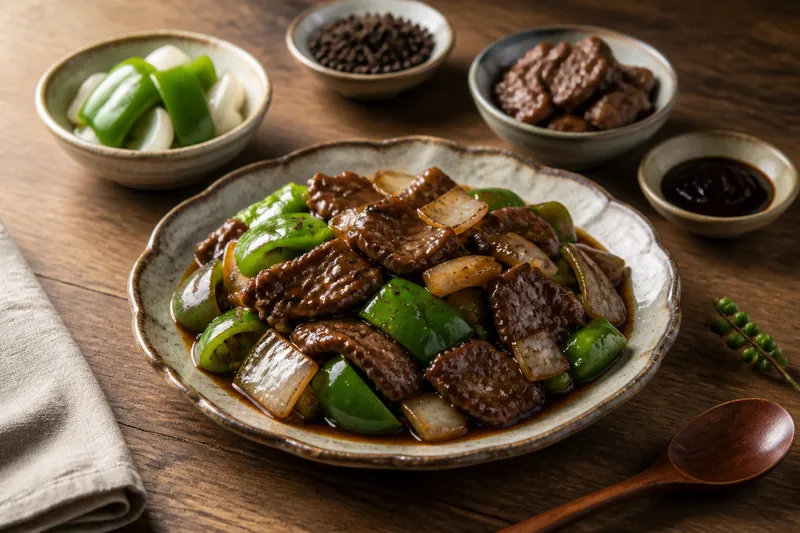 Cantonese Black Pepper BeefChineseOpen the recipe →
Cantonese Black Pepper Beef is a stir-fry of beef, onions, and a dark, glossy sauce sharpened by plenty of black pepper. The flavor is savory and aromatic, with the pepper giving heat that is dry and direct rather than numbing. It is worth making because it is a good example of Cantonese restraint: a short ingredient list, handled well, can taste complete. The main thing to watch is the timing of the onions and sauce; they should stay just crisp enough to keep the dish lively.
Sweet, lacquered roast pork
 Cantonese Char Siu (BBQ Pork)ChineseOpen the recipe →
Char siu is Cantonese roast pork glazed with a sweet-salty marinade that caramelizes into a red, sticky coating. It tastes fragrant with honey, soy, and five-spice, with tender meat and browned edges that carry most of the flavor. It is worth cooking because it can be eaten on its own, sliced over rice, or used in noodles and buns. The cook should allow enough time for marinating, since the flavor comes from the soak as much as from the roast, and basting helps build the sheen.
Clean flavor, minimal handling
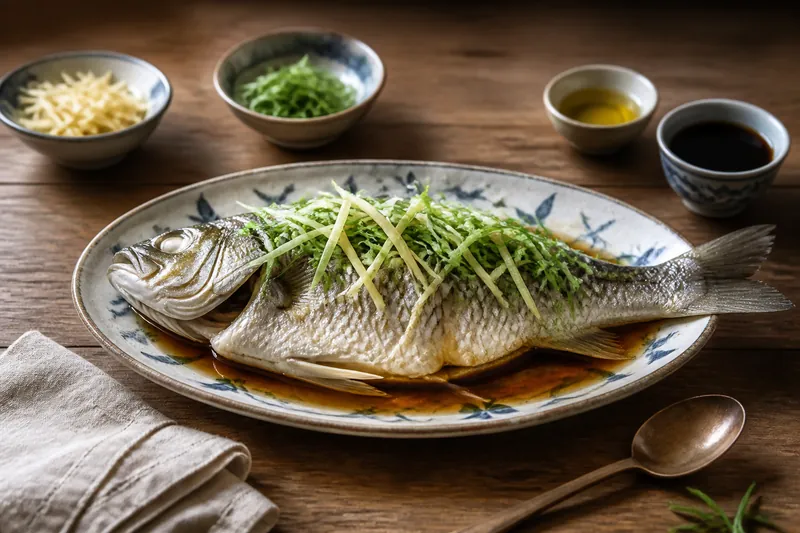 Cantonese Steamed FishChineseOpen the recipe →
Cantonese Steamed Fish is a lesson in restraint: a whole fish or fillets steamed with ginger, scallion, and soy until the flesh is just opaque and juicy. It tastes clean, delicate, and lightly savory, with the aromatics lifting the fish rather than masking it. It is worth cooking because steaming preserves tenderness better than aggressive heat. The cook should start with very fresh fish and avoid overcooking; when the flesh flakes easily and still looks moist, it is ready.
These dishes are famous because they are useful as well as recognizable. Some are quick, some need a little planning, but all depend on the same habits: good heat, clean seasoning, and attention to texture. That is the thread running through much of Chinese home cooking.