10 Best-Known American Dishes to Cook at Home
From pie and chowder to wings and ribs, these familiar American dishes show how regional cooking became part of the national table.
American cooking is a patchwork of regional habits, immigrant influence, and plain practical meals that stuck. The dishes below are the ones most people recognize first: browned, sauced, baked, fried, or simmered until they feel inevitable.
Taken together, they tell a clear story. Some are bar food, some are Sunday suppers, some are diner staples, and some are holiday fixtures. All of them reward straightforward technique and an eye for timing.
The burger that defined the grill
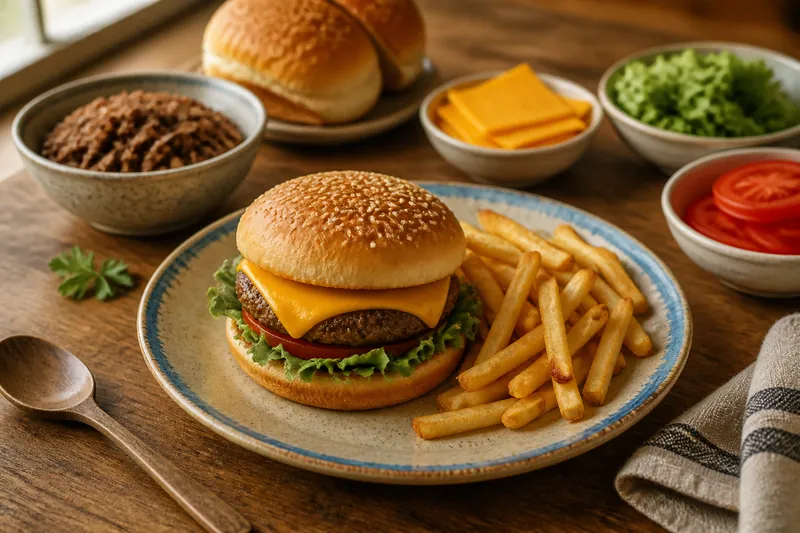
Classic American CheeseburgerAmericanOpen the recipe →A classic American cheeseburger is all about balance: a well-browned beef patty, melted cheese, soft bread, and enough sharpness from condiments to keep it from tasting heavy. It is juicy, salty, and direct, with the char of the hot pan or grill doing as much work as the cheese. That is why it remains the most familiar American sandwich. The cook should know not to press the patties down while they cook. That squeezes out the juices and turns a good burger dry.
A baked dessert with clear, familiar flavors
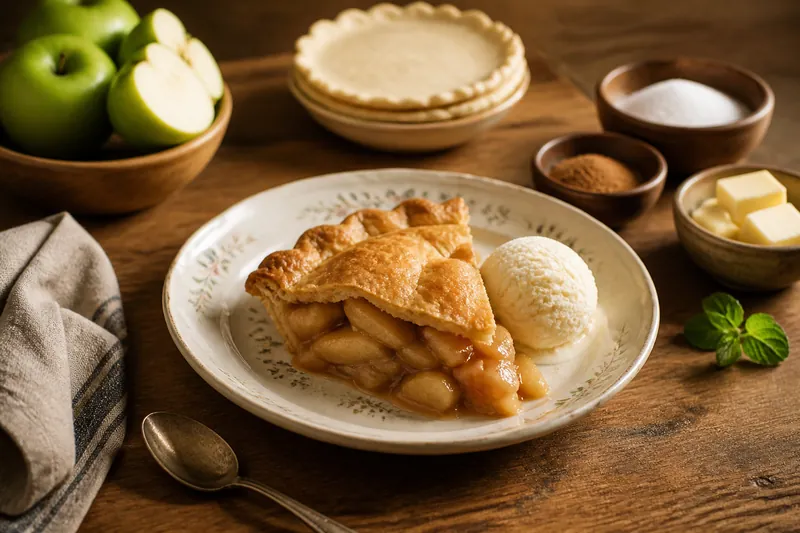 Traditional Apple PieAmericanOpen the recipe →
Traditional apple pie is one of the cleanest expressions of American baking: fruit, sugar, spice, pastry. The filling should taste of apples first, with cinnamon and a little acid to keep it bright. The crust gives it structure and, when done well, a crisp contrast to the soft fruit. It is worth cooking because it turns simple ingredients into something complete. The cook should know the filling must cool slightly before baking, or the pastry can become soggy and the pie may not set properly.
Sharp, hot, and built for sharing
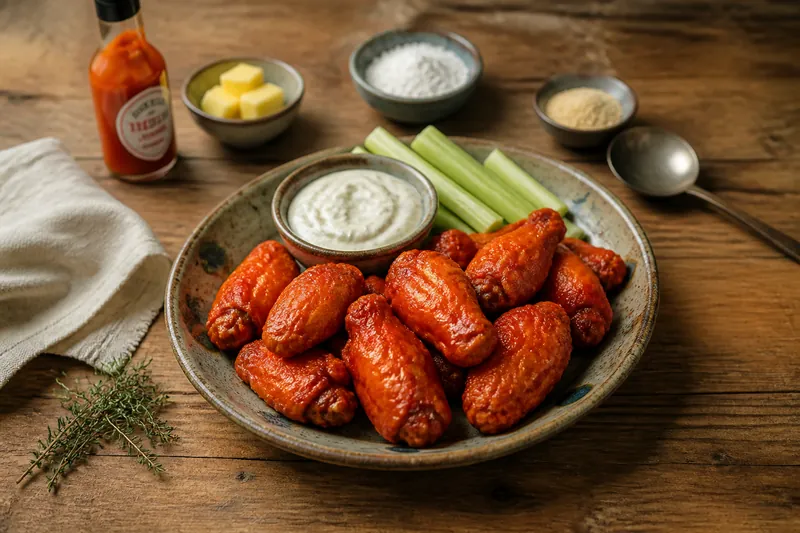 Buffalo Chicken WingsAmericanOpen the recipe →
Buffalo chicken wings are crisp-skinned wings coated in a buttery hot sauce, with enough vinegar tang to cut through the fat. They are spicy, salty, and slightly sour, which is why they stay so popular alongside cold beer or celery and blue cheese. Their appeal lies in the contrast between crunchy skin and slick sauce. The cook should know that the wings need enough oven time to render the skin properly; undercooked wings stay rubbery, and the sauce will not cling as well.
A casserole with a hard golden top
 Southern Baked Macaroni and CheeseAmericanOpen the recipe →
Southern baked macaroni and cheese is richer and firmer than the stovetop version most people know. The pasta is folded through a cheese sauce and baked until the top browns and the center sets into a spoonable casserole. It tastes creamy, salty, and deeply savory, with the edges offering the best texture. It is worth cooking because it serves as both side dish and main course. The cook should know that the sauce must be well seasoned before baking; the oven softens flavors.
Thin beef, onions, and melted cheese
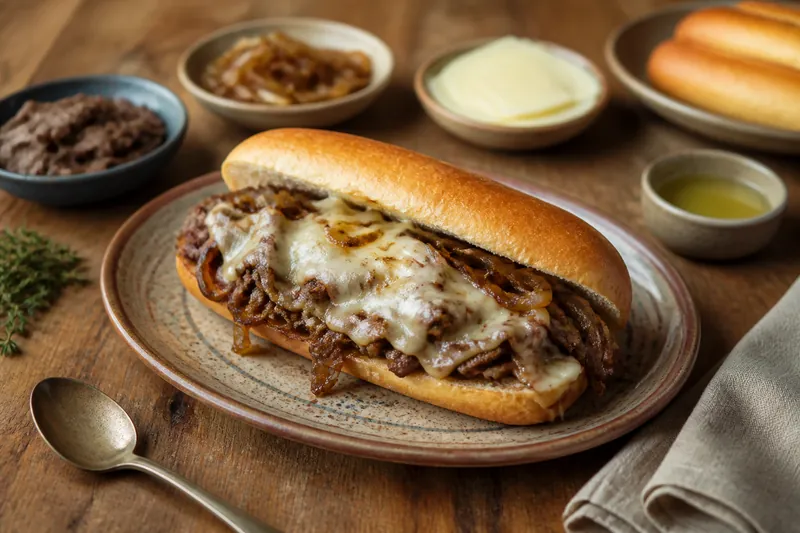 Philly CheesesteakAmericanOpen the recipe →
A Philly cheesesteak is built from thinly sliced beef cooked quickly on a hot surface, usually with onions, then tucked into a roll with melted cheese. It is rich without being fussy, and the best versions have a soft interior, savory drippings, and a bread roll that holds together without turning dry. It is worth cooking because the ingredients are simple but the timing matters. The cook should know the beef must be sliced very thin, ideally while partly frozen, so it cooks fast and stays tender.
Slow-cooked ribs with a sticky finish
 Kansas City Style BBQ RibsAmericanOpen the recipe →
Kansas City style BBQ ribs are known for their long cook, gentle smoke, and thick, sweet sauce. The meat should come away cleanly from the bone without falling apart before it reaches the table. What makes them worth the wait is the layering of flavor: dry seasoning first, then smoke, then a glossy glaze that clings to the surface. The cook should know that patience is the point here. Ribs need low heat and time; rushing them leaves the meat tough and the sauce unbalanced.
Creamy soup with brine and potatoes
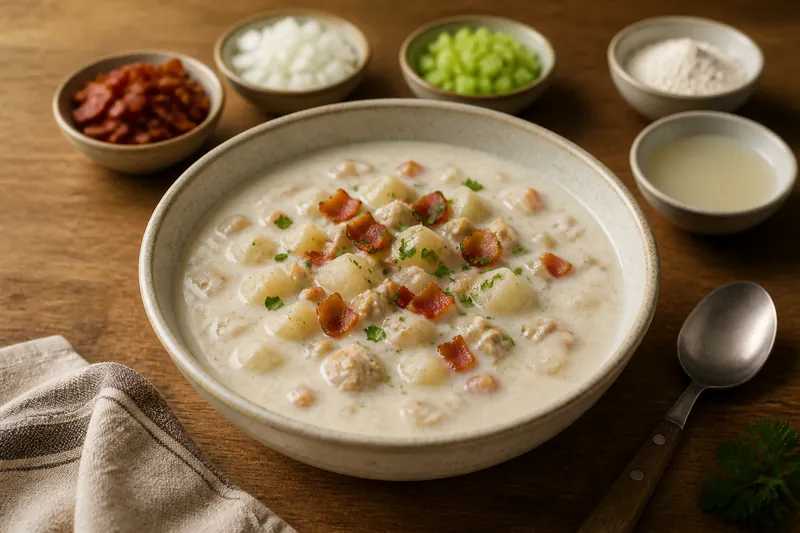 New England Clam ChowderAmericanOpen the recipe →
New England clam chowder is a milky, gently briny soup built on clams, potatoes, onion, and often salt pork or bacon. It should be thick but not pasty, with the clams adding sea flavor rather than dominating every spoonful. Its appeal is comfort: warm, rich, and steady, especially in cold weather. It is worth cooking because a few basic ingredients can create something layered and full. The cook should know not to boil it hard once the dairy goes in, or the soup can split or turn grainy.
A seasoned one-pot dish with rice
 Creole JambalayaAmericanOpen the recipe →
Creole jambalaya is a rice dish flavored with tomato, onion, celery, bell pepper, and a mix of meats or seafood, depending on the kitchen. It tastes smoky, savory, and lightly spicy, with the rice carrying the seasoned cooking liquid rather than sitting beside it. That makes it satisfying and practical, all in one pot. It is worth cooking because the flavors deepen as they mingle. The cook should know the rice needs the right amount of liquid and must be left alone once it begins to cook, or it can turn mushy.
A chopped salad with real structure
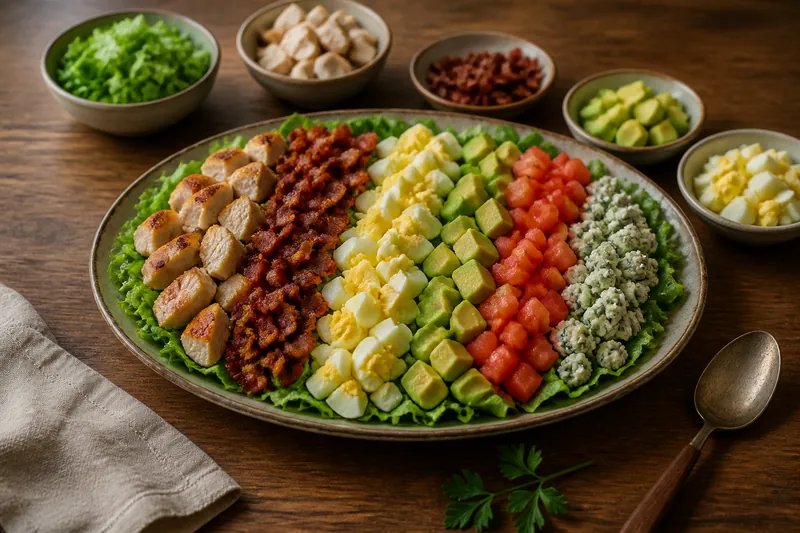 Classic Cobb SaladAmericanOpen the recipe →
Classic Cobb salad is a composed salad of chopped greens, chicken, bacon, egg, avocado, tomato, blue cheese, and vinaigrette. It tastes crisp, salty, creamy, and fresh all at once, with each bite shifting slightly depending on the mix on the fork. Its strength is that it feels complete rather than decorative. It is worth cooking because it turns a salad into a full meal without much cooking. The cook should know the ingredients should be cut neatly and kept separate until serving, so the salad stays defined.
Crisp fried meat under peppery gravy
 Chicken Fried Steak with Country GravyAmericanOpen the recipe →
Chicken fried steak with country gravy is a Southern diner classic: tenderized beef coated like fried chicken, then topped with a white pepper gravy. It is crunchy, rich, and deeply satisfying, with the gravy softening the crust just enough. The dish is worth cooking because it turns an inexpensive cut into something substantial and familiar. The cook should know that the oil must be hot enough to brown the coating quickly, and the gravy should be made in the same pan to capture the browned bits.
These dishes are known for a reason. Each one is simple enough to recognize at a glance, but specific enough that technique matters. Cook them well and they show how American food can be plainspoken, regional, and memorable without needing much else.