10 Afghan Dishes Worth Cooking at Home
From stuffed flatbreads to dumplings and kebabs, these Afghan dishes show the range, thrift, and careful seasoning of the cuisine.
Afghan cooking is broad, but it often rests on a few clear ideas: rice, flatbread, herbs, legumes, yogurt, eggplant, and meat handled with restraint. The best-known dishes are rarely complicated in flavor. They depend on good timing, careful seasoning, and textures that stay distinct.
These dishes are also tied to how Afghan food is eaten at home and for guests. Some are weeknight plates, some take more work, and some are made for sharing. Together they give a useful picture of the cuisine, from stuffed pastries to broths, kebabs, and a simple milk pudding.
Crisp pastry, spiced filling
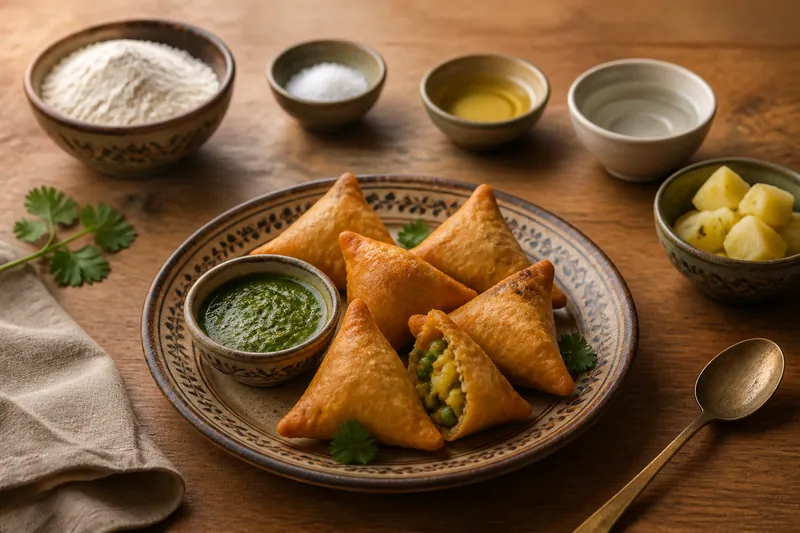
Afghan SambosaAfghanOpen the recipe →Afghan Sambosa are triangular pastries with a savory filling, usually built around potatoes, onions, herbs, or minced meat. The appeal is the contrast: a crisp shell and a soft, well-seasoned center. They are a common snack or starter, especially when served hot and fresh. The flavor should be more aromatic than fiery, with cumin, coriander, and black pepper doing the work. One thing to know is that the filling must be cool and fairly dry before wrapping, or the pastry can split and turn greasy during frying.
Simple grilled meat, well seasoned
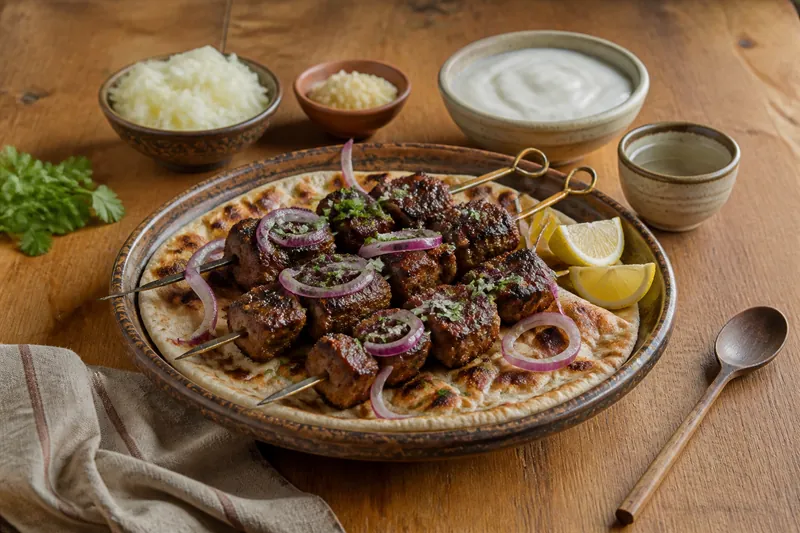 Afghan Tikka KebabAfghanOpen the recipe →
Afghan Tikka Kebab is straightforward grilled kebab, usually made from cubes of lamb or chicken marinated with yogurt, spices, garlic, and sometimes lemon. The seasoning is direct and the cooking is quick, so the meat should taste clean and savory rather than heavily sauced. Char from a hot grill is part of the point. It is worth cooking because it shows how Afghan food treats meat with a light hand. One thing to know is that the pieces should be cut evenly and not overcooked; lean meat can dry out fast.
Herb soup with noodles and beans
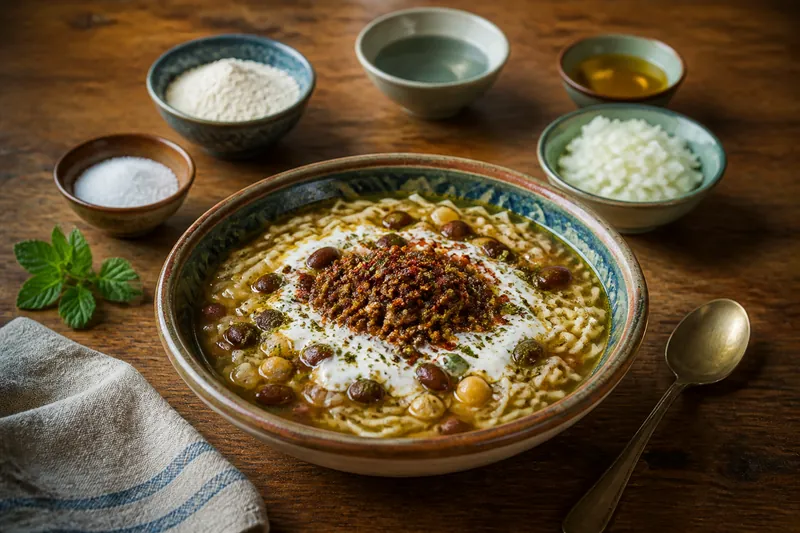 AushAfghanOpen the recipe →
Aush is a thick Afghan soup built from noodles, beans, herbs, and often minced meat or a yogurt finish. It is comforting rather than heavy, with a sour, herbal edge and enough body to eat as a meal. The herbs matter as much as the broth, and the finished bowl usually benefits from a little yogurt or dried mint on top. It is worth making for its balance: humble ingredients, but a layered result. One thing to know is that the noodles and beans need careful timing so the soup stays full-bodied, not mushy.
Leek dumplings with a cool topping
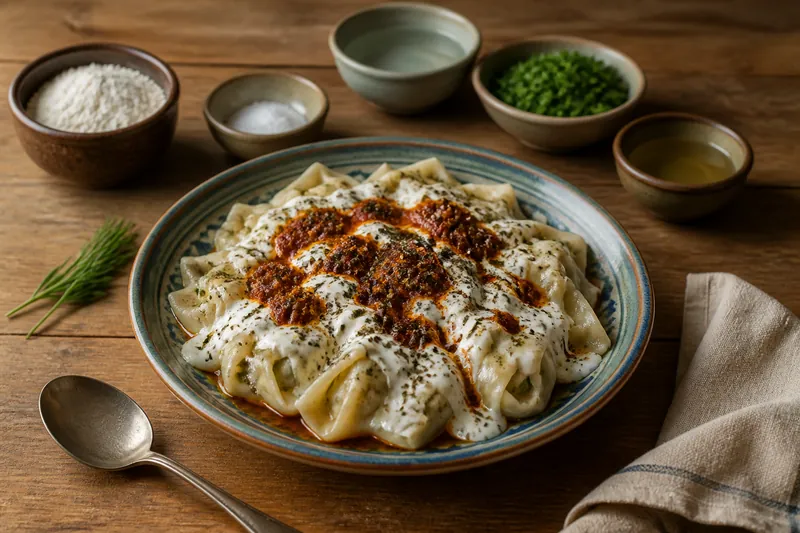 AushakAfghanOpen the recipe →
Aushak are filled dumplings, often stuffed with leeks or scallions and served under a yogurt sauce and a meat or tomato topping. The dish is delicate in flavor but not plain: the dough, the onion family filling, and the tang of yogurt all pull in different directions. It is one of the clearest examples of Afghan cooking’s use of simple ingredients with patient assembly. It is worth cooking when you want a dish with texture and contrast. One thing to know is that the dumplings need sealing carefully, or they will open while boiling.
Stuffed flatbread, crisp at the edges
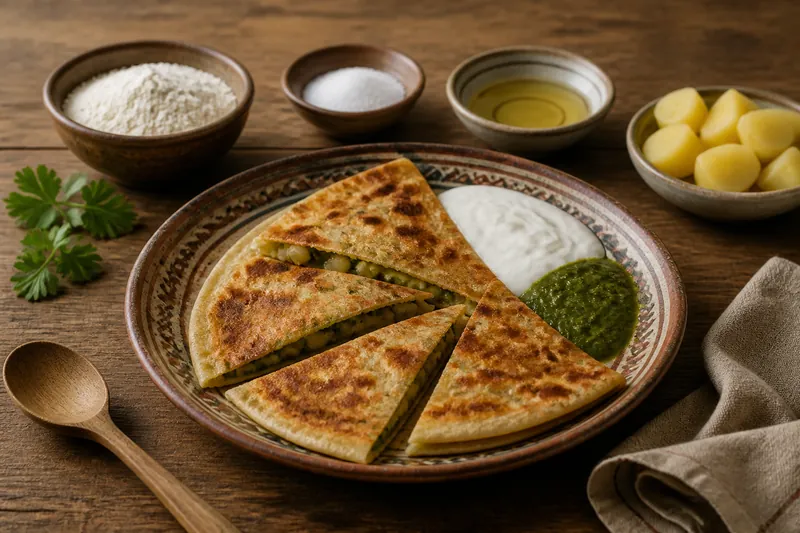 BolaniAfghanOpen the recipe →
Bolani is a stuffed flatbread, often filled with potato, leek, pumpkin, or greens, then griddled or fried until crisp. It can be eaten as a snack or part of a meal, usually with yogurt or chutney. The filling should be savory but not wet, and the bread itself should have some chew with browned patches. It is worth cooking because it is practical, adaptable, and satisfying without being heavy. One thing to know is that rolling the dough too thick makes it doughy, while too much filling makes sealing difficult.
Eggplant softened, then cooled with yogurt
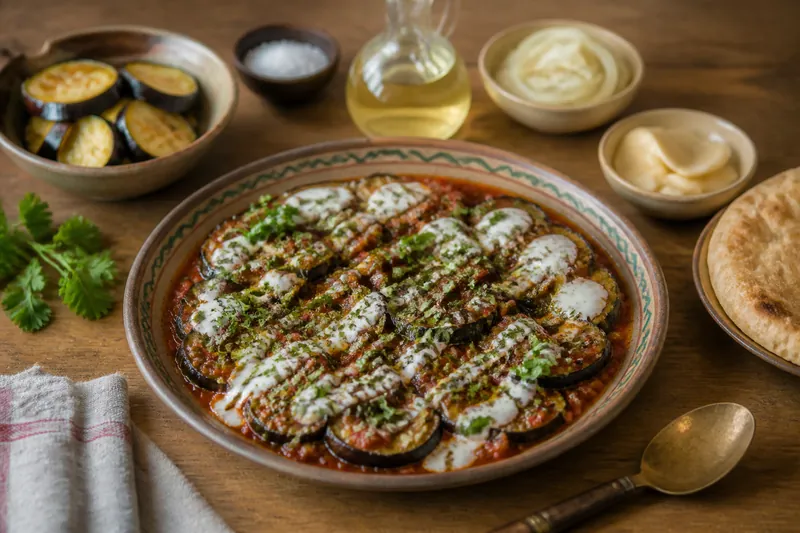 Borani BanjanAfghanOpen the recipe →
Borani Banjan is a dish of eggplant cooked until tender and layered with tomato, garlic, and yogurt. The eggplant soaks up flavor, while the yogurt gives the plate its cool, slightly sharp finish. It is one of the dishes that shows how Afghan cooking uses dairy not as a side note, but as a main element of balance. It is worth cooking because it turns a single vegetable into a complete dish. One thing to know is that the eggplant should be cooked fully before assembly, so it stays silky and does not taste raw.
Lamb kebab with deep marination
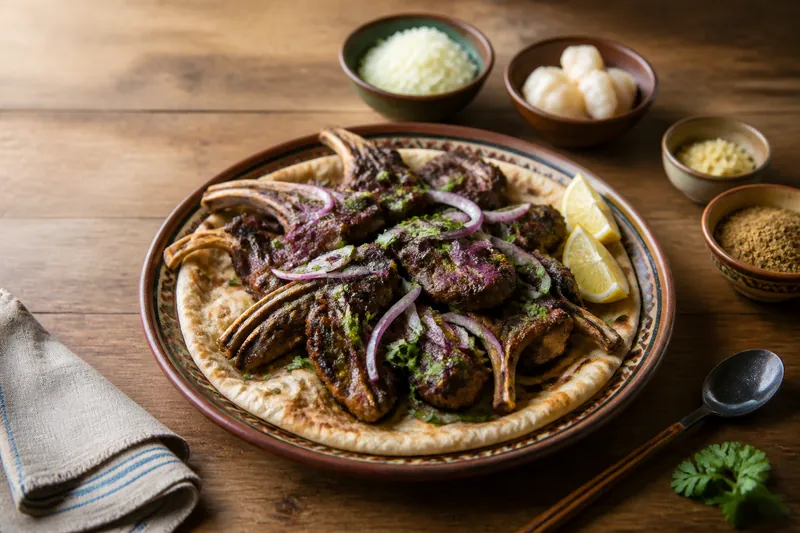 Chopan KebabAfghanOpen the recipe →
Chopan Kebab is a traditional lamb kebab, commonly made from meat on the bone or large cuts, marinated for hours before grilling. It has a fuller, more rustic flavor than a quick kebab, with the fat and the marinade both contributing to the taste. The result should be juicy, smoky, and assertive without being masked by sauce. It is worth cooking when you want meat to speak plainly. One thing to know is that the marinating time matters here; the flavor depends on patience as much as heat.
Onion-led meat stew
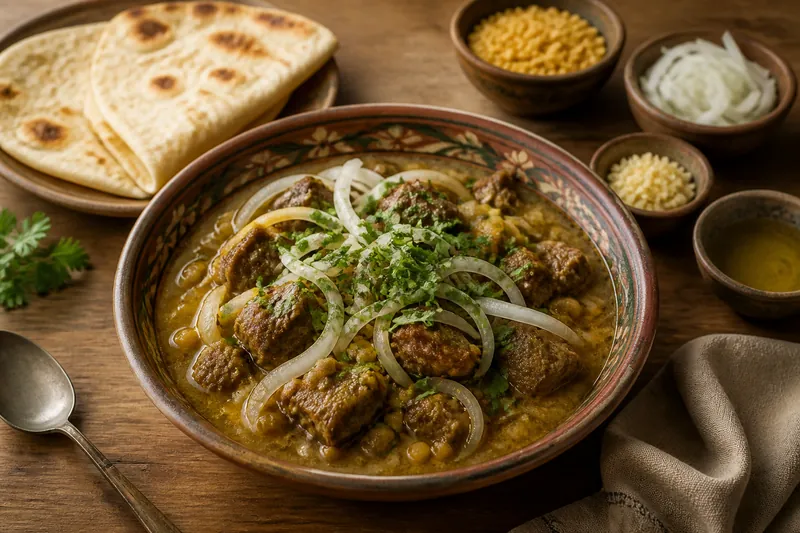 DopiazaAfghanOpen the recipe →
Dopiaza is a slow-cooked Afghan meat dish in which onions play a central role, lending sweetness and depth to the sauce. The cooking is unhurried, and the flavor becomes round and savory rather than sharp. It is the kind of stew that goes well with rice or flatbread because the sauce is meant to be soaked up. It is worth cooking for its economy of ingredients and steady richness. One thing to know is that the onions should be cooked far enough to soften and blend, not left as raw chunks in the finished dish.
Milk pudding with a gentle finish
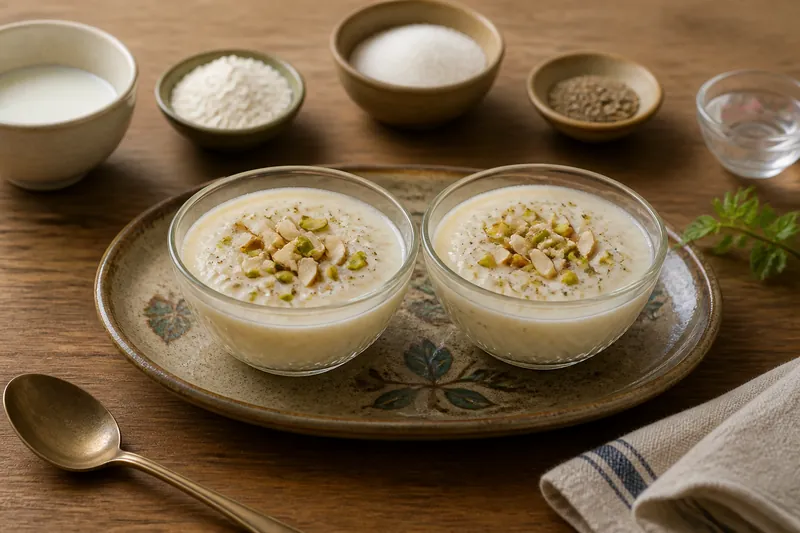 FirniAfghanOpen the recipe →
Firni is a smooth milk pudding, lightly thickened and often perfumed with cardamom. It is delicate, cool, and usually served as a dessert after a savory meal. The flavor is mild, with the spice giving it shape rather than dominating it. It is worth cooking because it is simple and restrained, and it offers a clean end to a heavy table. One thing to know is that the mixture must be whisked carefully while it cooks, so it thickens evenly and does not scorch on the bottom.
Crisp fried pastry with powdered sugar
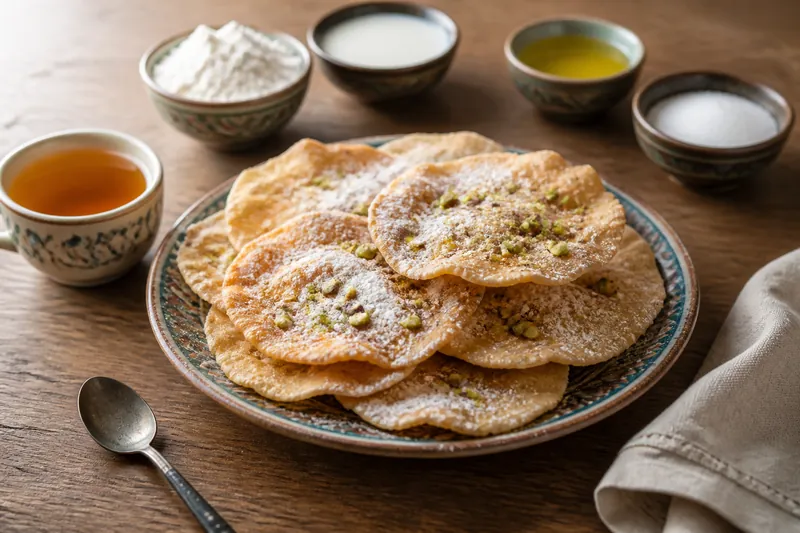 Gosh-e FilAfghanOpen the recipe →
Gosh-e Fil is a fried pastry shaped like an elephant’s ear, crisp and light, then finished with sugar. It is more about texture than richness: thin, blistered pastry with a brittle snap and a sweet coating. In Afghan cooking it often appears as a treat rather than an everyday dessert. It is worth making because it shows the pastry side of the cuisine, not just the savory side. One thing to know is that the dough should be rolled very thin, or the final pieces will be heavy instead of airy and crisp.
Taken together, these dishes show Afghan cooking at its most familiar: measured seasoning, useful techniques, and food meant to be shared. Some are best fresh from the pan, others reward slow cooking or careful assembly, but all rely on balance more than fuss.